 TruVet Pet Care Clinic
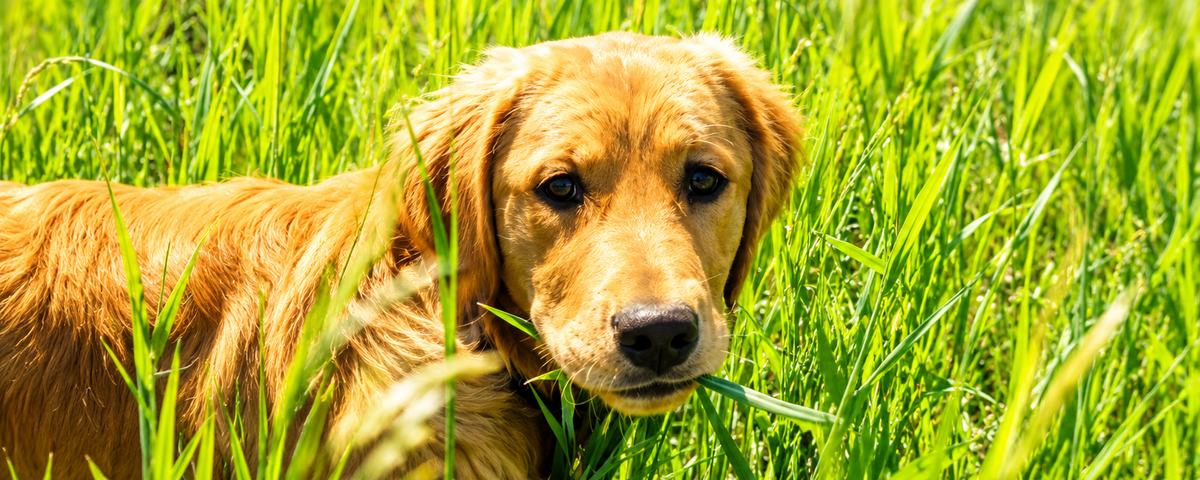
Almost every dog owner has watched their dog frantically munch on grass during a walk, and most assume it means an upset stomach. The real explanation is more layered than that, and knowing the difference actually matters.
Why Do Dogs Eat Grass? The Real Reasons Behind This Strange Habit
By Dr. Brajmadhuri, TruVet Pet Care Clinic, Sector 79, Gurgaon
We recently saw two dogs from the same household, a poodle and a pit bull, both dealing with repeated bouts of gastroenteritis. Both had the same underlying pattern. They were eating grass regularly, getting sick, recovering, and then going right back to eating grass again. Their owner was understandably confused. If grass eating made them ill, why would they keep doing it? The honest answer is that grass eating itself is not the villain here, and the real explanation involves several overlapping reasons, some harmless, some worth genuinely paying attention to.
It is extremely common, and mostly normal
Before getting into the reasons, it is worth knowing that grass eating is one of the most common behaviours dog owners ask us about, and for good reason. Surveys of dogs with regular access to grass have found that the large majority have eaten grass or other plants at some point, and this behaviour has also been observed in wild canines, suggesting it has genuine evolutionary roots rather than being a purely modern, domesticated quirk. Most veterinarians consider occasional grass eating a normal behaviour rather than a symptom of anything wrong.
The upset stomach theory is weaker than people assume
The most common assumption is that dogs eat grass specifically to trigger vomiting and soothe an upset stomach. This is intuitive, since some dogs do eat grass with real urgency and vomit shortly after. But when researchers actually looked at this pattern closely, they found that fewer than a quarter of dogs vomit after eating grass, and most dogs show no signs of being unwell beforehand. This suggests that self induced vomiting is not the main reason most dogs are doing this, even though it clearly is the reason for some individual dogs some of the time.
An instinct passed down from wild ancestors
One of the more compelling explanations traces back to how dogs' wild ancestors actually ate. In the wild, canines did not eat neatly packaged meat. They ate their entire prey, including the stomach and its contents, which often included grass and plant matter the prey animal had itself consumed. This meant a wild dog's diet was naturally rounded out with fibre and plant material, layered inside the very prey it hunted. Some behaviourists believe this instinct persists in domestic dogs today, even though there is no actual prey involved anymore, just grass on a walk standing in for what used to come from inside a meal.
A genuine fibre or dietary gap
This is the explanation most worth paying attention to as an owner, since it is the one with a documented case behind it. A well known veterinary case study followed a miniature poodle who had eaten grass daily for seven years. When the dog was switched to a high fibre commercial diet, the grass eating behaviour stopped completely within a week. This is fairly strong evidence that, at least for some dogs, grass eating reflects a genuine gap in dietary fibre, and the dog is essentially self correcting a nutritional shortfall the only way available to him.
Boredom, and simply enjoying the texture
Plenty of dogs eat grass for reasons that have nothing to do with digestion at all. Younger, more active dogs in particular often eat grass out of boredom or general understimulation, especially if they are left without enough mental engagement or physical activity during the day. Some dogs also appear to simply enjoy the taste and crunchy texture of grass, treating it almost like a chew toy rather than a food source or a medicine.
Why the same dogs kept getting sick
Coming back to the two dogs we saw, the pattern of repeated gastroenteritis after eating grass points toward a different explanation than fibre deficiency or boredom alone, contamination. Grass growing outdoors, particularly in shared or heavily trafficked areas, is often treated with pesticides or fertilisers, and it can also carry the eggs or larvae of intestinal parasites shed by other animals in the same area. A dog eating this kind of contaminated grass regularly is not being harmed by the grass itself, but by what is on it or living in it, which explains why the same habit kept producing the same illness over and over.
When grass eating is worth a closer look
A few signs suggest it is time to bring this up at a vet visit rather than treating it as harmless background behaviour:
- Grass eating that happens frequently, urgently, or seems driven by real distress rather than casual grazing
- Repeated vomiting, diarrhoea, or other digestive upset following grass eating episodes
- A dog who eats grass alongside other non food items, like fabric, plastic, or dirt, which points toward a broader pattern worth investigating
- Grass eating that started suddenly in an adult dog with no prior history of the behaviour
- Any grass eating happening in an area you know is treated with pesticides or frequented by many other animals
What actually helps
For most dogs, a few sensible adjustments make a real difference. Ensuring your dog's diet includes adequate fibre, something we can advise on directly if this seems relevant, addresses the cases where a genuine nutritional gap is driving the behaviour. Increasing daily exercise and mental stimulation, through walks, play, and puzzle feeders, helps considerably with boredom driven grass eating. And steering your dog away from grass in areas you know are treated with chemicals, or where many other dogs pass through, reduces the contamination risk that seems to explain cases like the one we saw recently.
The TruVet takeaway
Grass eating in dogs is common, usually harmless, and driven by a genuine mix of instinct, dietary need, and simple boredom rather than any single cause. The version worth real attention is not the habit itself but what it might be picking up along the way, contaminated grass, parasite exposure, or a genuine fibre gap that is easy to correct once identified. If your dog's grass eating comes with repeated illness, as it did in the two dogs we recently saw, that pattern is worth investigating properly rather than just watching it happen again and again.
TruVet Pet Care Clinic is at Shop No 4-6, opposite Bestech Park View Altura, Sector 79, Naurangpur, Gurugram, Haryana 122051. Dr. Brajmadhuri personally examines every patient, and we are open all seven days from 10am to 8pm for OPD consultation, vaccination, deworming, surgery, and health checkups for dogs and cats. WhatsApp us at +91 98710 10355 if your dog's grass eating comes with repeated vomiting or diarrhoea.
Frequently asked questions.
Is it safe to let my dog eat grass in our society lawn?
Occasional grazing on grass that is not treated with pesticides and not heavily used by many other animals is generally low risk, but repeated illness following grass eating is worth investigating rather than assuming it is simply normal.
My dog eats grass and never vomits. Is that unusual?
Not at all. Research suggests fewer than a quarter of dogs actually vomit after eating grass, so a dog who grazes without any digestive upset is behaving in a genuinely common way.
Could my dog's grass eating be a sign of intestinal worms?
It can go both ways. Parasite eggs on contaminated grass can cause an infection, and separately, some owners report grass eating alongside an existing worm burden, so a stool check is a reasonable step if grass eating is frequent or paired with other symptoms.
Should I switch my dog's food if he eats grass often?
It is worth discussing with us, particularly if the grass eating is frequent and longstanding, since a documented case showed a dog's grass eating resolved completely after switching to a higher fibre diet.
Is grass eating more common in certain breeds?
Some evidence suggests more active, higher energy breeds may eat grass more often, potentially linked to boredom or a stronger natural foraging instinct, though the behaviour appears across dogs of all backgrounds.
My dog eats grass and then seems totally fine. Do I need to do anything?
Not necessarily, as long as it stays occasional and is not followed by illness. If the pattern changes, becomes frequent or urgent, or starts causing repeated stomach upset, that is the point to bring it up at a checkup.
Questions for Dr. Brajmadhuri?
Open all 7 days, 10am to 8pm. Walk-in OPD welcome.