 TruVet Pet Care Clinic

Would you actually know what to do in the first sixty seconds if your dog collapsed or choked on something? Here are the two genuine emergency skills every pet owner should have, based on the latest veterinary emergency guidelines.
Pet CPR and the Choking Dog: Two Emergency Skills Every Owner Should Know
By Dr. Brajmadhuri, TruVet Pet Care Clinic, Sector 79, Gurgaon
It is a genuinely uncomfortable question, and exactly why it is worth asking directly. If your dog suddenly collapsed and stopped breathing, or began choking on a piece of food or a toy, would you actually know what to do in those critical first sixty seconds. Most owners have never been taught, and the honest, sobering statistics on pet CPR survival make it clear why knowing even the basics genuinely matters.
The sobering reality behind pet CPR survival
It is worth understanding this clearly before anything else, since it shapes why speed and correct technique matter so much. Survival to hospital discharge following cardiopulmonary arrest sits under six percent in dogs, and under twenty percent in cats, according to figures behind the most recent veterinary CPR guidelines. This is considerably lower than survival rates in human CPR, and it reflects both how serious cardiopulmonary arrest genuinely is and how much correct, immediate action in the first moments actually matters to the outcome.
The 2024 update that changed veterinary CPR guidance
Veterinary CPR guidelines were significantly updated in 2024 for the first time in over a decade, developed by a large group of veterinary emergency specialists using a rigorous, evidence based review process. A few specific, practical updates from this revision are worth knowing directly.
How to actually assess a collapsed, unresponsive dog
The first step is a quick assessment, meant to take no more than ten to fifteen seconds rather than being drawn out. Stimulate the animal by shaking and shouting, then check specifically whether he is breathing. If he is not breathing and shows no response, this is the point to begin CPR immediately, calling for additional help from anyone nearby if at all possible, since having a second person genuinely helps with both the physical process and getting to a vet quickly afterward.
The actual technique, chest compressions and breaths
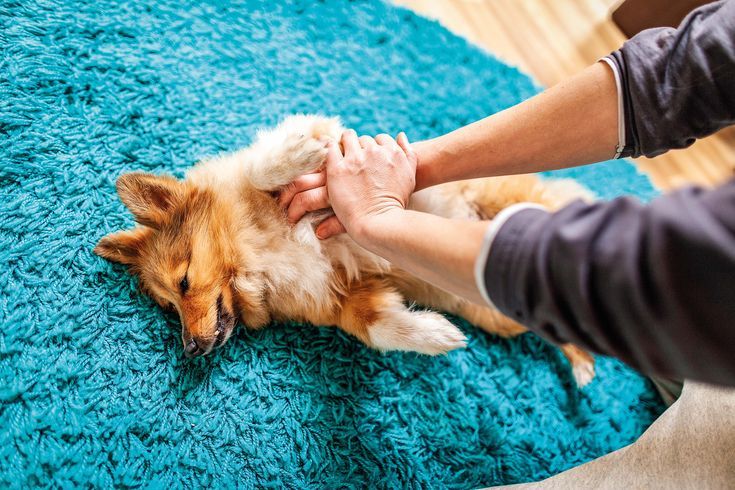
For a dog who is not breathing and unresponsive, chest compressions should be performed at a rate of one hundred to one hundred and twenty per minute, roughly matching the tempo of a fast, steady beat. For most dogs lying on their side, compression depth should reach roughly one third to one half of the width of the chest. If you are working without a second rescuer able to manage breathing separately, the recommended pattern is thirty chest compressions followed by two breaths, repeated continuously. If a second rescuer is available, compressions can continue uninterrupted while the second person manages breathing separately, roughly one breath every six seconds.
For providing breaths without professional equipment, a tight fitting seal over your dog's nose and mouth, breathing steadily into his nose while holding his mouth closed, is the practical approach most owners can actually manage in an emergency.
Why continuing until you reach a vet genuinely matters
CPR performed at home is not a substitute for professional emergency care, it is a bridge intended to sustain some circulation and oxygen delivery while you get your dog to a vet as quickly as possible. Continuous, high quality compressions, without long pauses, give your dog the best realistic chance during that critical window, and CPR should generally continue until you reach professional help, rather than being stopped early based on how things look in the moment.
What to do if your dog is choking
Choking is a genuinely different emergency from cardiac arrest, and it calls for a different response. If your dog is conscious, panicking, pawing at his mouth, or struggling to breathe with an object visibly or suspected to be lodged in his throat, first check whether you can see and safely remove the object with your fingers, without pushing it further down. If the object is not visible or reachable, a modified Heimlich style approach can help, for a dog, this generally involves standing behind him, wrapping your arms around his abdomen just behind the ribcage, and applying several sharp, firm inward and upward thrusts, adjusted in force based on his size. For a small dog or cat, this can be done more gently, sometimes with the animal held securely rather than standing.
Why size specific technique genuinely matters here
This is worth emphasising directly, since one size fits all advice genuinely does not apply well to pets given how much size varies between a small cat and a large breed dog. The force, hand positioning, and even the specific compression depth appropriate for CPR or a choking response differ meaningfully based on your own pet's size and chest shape, which is part of why formal pet first aid training, ideally including hands on practice, is genuinely worth pursuing beyond simply reading about the technique.
What genuinely helps you be prepared
Taking an actual pet first aid or CPR course, ideally one offering hands on practice, considerably improves your ability to perform these skills correctly under the genuine stress of an emergency, compared to reading about them once and hoping the information stays accessible in a crisis. Keeping your vet's contact information, along with the nearest emergency vet if different, somewhere immediately accessible is a small step that saves genuinely valuable time when it matters.
The TruVet takeaway
Cardiopulmonary arrest and choking are both genuine, frightening emergencies where knowing the correct immediate response can meaningfully affect the outcome, even though survival odds remain sobering overall. Quick assessment, correct compression rate and depth, and size appropriate technique for a choking response are all things worth genuinely learning before an emergency happens, not during one. We are glad to talk through pet first aid basics directly if you would find that helpful.
TruVet Pet Care Clinic is at Shop No 4-6, opposite Bestech Park View Altura, Sector 79, Naurangpur, Gurugram, Haryana 122051. Dr. Brajmadhuri personally examines every patient, and we are open all seven days from 10am to 8pm for OPD consultation, vaccination, deworming, surgery, and health checkups for dogs and cats. WhatsApp us at +91 98710 10355 if you would like guidance on pet first aid preparedness for your own household.
Frequently asked questions.
How would I actually know if my dog needs CPR versus just resting oddly?
A dog needing CPR will not respond to being shaken or called, and will not be breathing. If you are ever unsure, checking responsiveness and breathing directly for no more than ten to fifteen seconds is the right first step before deciding.
Can I actually hurt my dog by performing CPR incorrectly?
Incorrect technique carries some risk, including possible rib injury from overly forceful compressions, but for a dog who is genuinely in cardiac arrest, attempting correct CPR gives a real chance of survival that doing nothing does not, which is why learning proper technique in advance matters so much.
Is the choking response the same for a small cat as for a large dog?
No, force and positioning need to be adjusted meaningfully based on your pet's size, which is exactly why hands on training, rather than simply reading a description, is genuinely valuable for actually being prepared.
Should I still take my pet to the vet after successful CPR or a resolved choking episode?
Yes, always. Even after apparent recovery, a proper veterinary evaluation is essential to check for any underlying cause or resulting injury that may not be obvious right away.
Where can I actually learn hands on pet CPR technique?
Some veterinary clinics and pet first aid organisations offer hands on training courses, and we are happy to talk through what options might be available or to walk through the basics directly during a visit.
What is the single most important thing to remember in a genuine pet emergency?
Acting quickly and getting to a vet as fast as possible matters enormously, and CPR or first aid performed at home should be understood as a bridge to professional care, not a replacement for it.
Questions for Dr. Brajmadhuri?
Open all 7 days, 10am to 8pm. Walk-in OPD welcome.