 TruVet Pet Care Clinic
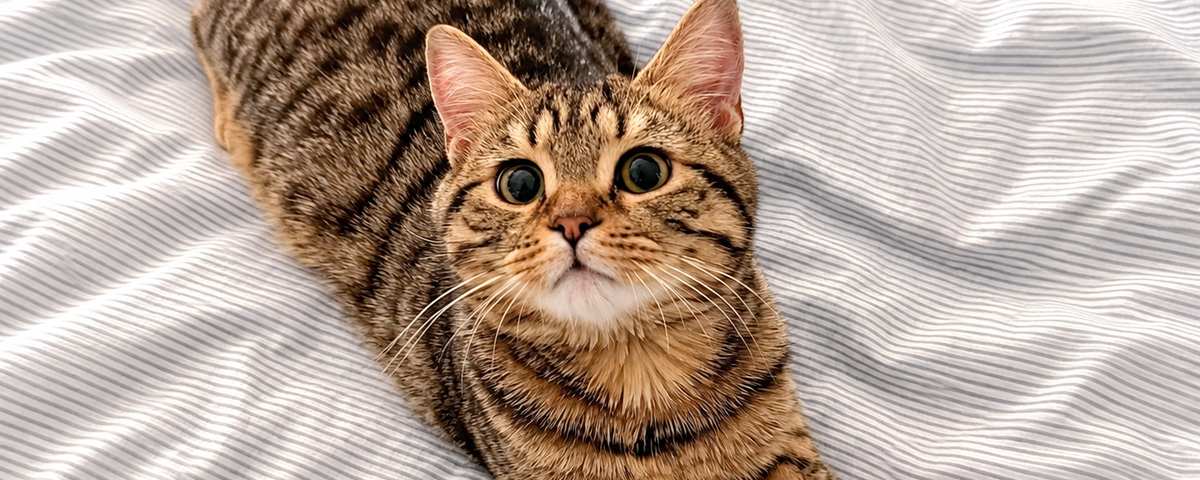
That gentle headbutt your cat gives you is a genuine, chemical form of affection. A cat pressing her head against a wall looks similar but means something entirely different, and considerably more serious.
Why Your Cat Headbutts You, and When Head-Pressing Is an Emergency
By Dr. Brajmadhuri, TruVet Pet Care Clinic, Sector 79, Gurgaon
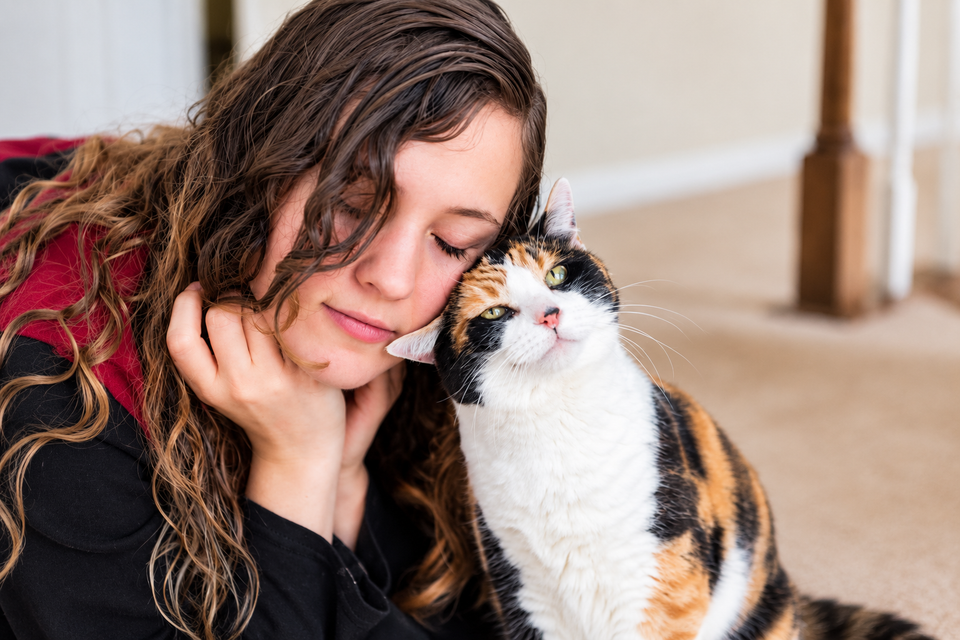
It is one of the small, genuinely reassuring rituals of living with a cat. She walks over, presses the top or side of her head firmly against your hand, your leg, or even your face, and it feels like an unmistakable, deliberate gesture of affection. It largely is exactly that, and the actual mechanism behind it is more interesting, and more literally chemical, than most owners realise.
What bunting actually is
This behaviour, formally called bunting, involves a cat rubbing scent glands concentrated around her cheeks, forehead, and chin against a person, another animal, or an object. This deposits pheromones, a form of chemical scent marking that effectively identifies you, or whatever she has bunted against, as part of her familiar, trusted world. In a genuine sense, your cat headbutting you is her marking you as safe, known territory, using a form of communication considerably older and more chemical than anything we typically associate with affection.
Why this behaviour is considered a genuine sign of trust
Bunting is not something a cat directs at anything or anyone indiscriminately. It tends to be reserved specifically for people, animals, and objects she considers safe and familiar, which is part of why researchers studying cat behaviour treat it as a meaningful, positive social signal. One study looking at shelter cats specifically found that cats who bunted or rubbed against people more frequently tended to be adopted more quickly, suggesting this behaviour genuinely reads as approachable and affectionate to potential adopters observing it, beyond simply being a nice thing to witness.
Why cats sometimes headbutt with real, surprising force
Some cats deliver what feels like a genuinely enthusiastic, almost forceful headbutt, sometimes hard enough to catch an owner slightly off guard. This is still generally a normal, affectionate variation of the same underlying behaviour, and individual cats simply vary in intensity, much like people vary in how demonstrative they are with a hug or a greeting.
The look alike behaviour that means something entirely different
This is genuinely the most important thing to understand from this entire topic, since the two behaviours can look confusingly similar at a glance but mean something completely different. Head pressing describes a cat pushing and holding the top of her head against a wall, furniture, or another solid surface, persistently, and often for an extended period, rather than the brief, deliberate rubbing motion involved in genuine bunting.
Head pressing is a recognised neurological symptom, not an affectionate gesture, and it can indicate a range of serious underlying conditions, including toxin exposure, liver disease, a brain tumour, or other neurological dysfunction. This is not a behaviour to wait out or dismiss, and it deserves an urgent veterinary evaluation rather than being mistaken for an unusually intense version of an affectionate headbutt.
How to actually tell the two apart
Genuine bunting is a brief, purposeful rubbing motion, directed specifically at you or a familiar object, and it happens as part of otherwise completely normal behaviour, alongside purring, relaxed body language, and general engagement with her surroundings. Head pressing looks different once you know what to watch for, a cat pushing her head against a hard, inanimate surface like a wall or a piece of furniture, holding the position for an extended period, often appearing disoriented, uncoordinated, or otherwise unwell alongside it, rather than showing the relaxed, engaged demeanour that comes with ordinary affectionate bunting.
What to do if you notice head pressing
If you see this behaviour, do not wait to see whether it resolves on its own. This warrants prompt veterinary attention, since several of the underlying causes are genuinely serious and time sensitive. Note any other symptoms you have noticed alongside it, changes in appetite, coordination, vision, or general alertness, since these details genuinely help guide a faster, more accurate diagnosis once you do get to a vet.
Other genuine signs of feline affection worth knowing
Bunting sits alongside a handful of other well recognised affectionate behaviours in cats. A slow, deliberate blink directed at you, purring during calm, relaxed interaction, and a raised, gently curved tail approach are all separate but related signals reflecting comfort, trust, and genuine affection, each worth appreciating in its own right alongside bunting itself.
The TruVet takeaway
An ordinary headbutt from your cat is a genuine, chemically real expression of trust and affection, marking you as part of her safe, familiar world through scent rather than simply an arbitrary habit. Head pressing against a wall or furniture, despite looking superficially similar, reflects something considerably more serious, a genuine neurological symptom deserving prompt veterinary attention rather than being mistaken for an intense version of ordinary affection. Knowing the difference between the two is genuinely one of the more practically useful pieces of cat body language to understand clearly.
TruVet Pet Care Clinic is at Shop No 4-6, opposite Bestech Park View Altura, Sector 79, Naurangpur, Gurugram, Haryana 122051. Dr. Brajmadhuri personally examines every patient, and we are open all seven days from 10am to 8pm for OPD consultation, vaccination, deworming, surgery, and health checkups for dogs and cats. WhatsApp us at +91 98710 10355 immediately if you notice your cat pressing her head persistently against a wall or furniture.
Frequently asked questions.
My cat headbutts me really hard sometimes. Is that a problem?
Generally no, individual cats simply vary in how forceful their affectionate bunting is, and a hard headbutt directed at you during otherwise normal, relaxed behaviour is still a genuine sign of affection rather than a concern.
How urgently do I need to get my cat seen if I notice head pressing?
This deserves prompt attention rather than a wait and see approach, since several potential underlying causes are genuinely serious and time sensitive, so treat it as a same day concern rather than something to monitor over several days.
Can bunting ever look like head pressing if my cat is just being extra affectionate?
Genuine bunting is brief and directed specifically at you or a familiar object, while head pressing involves sustained pressure against an inanimate surface like a wall, often alongside other signs your cat seems unwell, which is generally a fairly clear distinction once you know what to look for.
Do kittens bunt as early as adult cats do?
Bunting behaviour typically develops as part of normal social and behavioural development, and many kittens begin showing some version of this affectionate rubbing behaviour fairly early in life.
Is bunting specific to certain cat breeds, or do all cats do it?
This is a broadly common behaviour across cats generally, rather than being specific to particular breeds, though individual personality genuinely affects how frequently and how intensely any given cat expresses it.
Can head pressing resolve on its own without treatment?
This should never be assumed, since head pressing reflects an underlying neurological issue that needs proper veterinary diagnosis and treatment, rather than something likely to resolve safely without medical attention.
Questions for Dr. Brajmadhuri?
Open all 7 days, 10am to 8pm. Walk-in OPD welcome.