 TruVet Pet Care Clinic
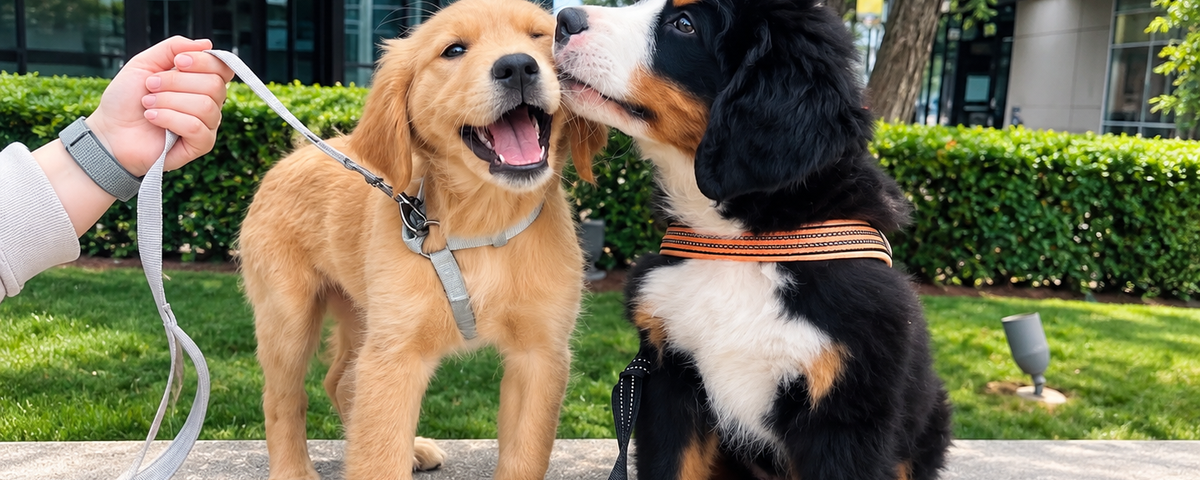
Just because your dog or cat is healthy, purebred, and beautiful does not automatically mean breeding her is the right decision. Here are the genuine medical and ethical red lines worth understanding before deciding to breed a pet.
When NOT to Breed Your Pet: The Ethical and Medical Red Lines
By Dr. Brajmadhuri, TruVet Pet Care Clinic, Sector 79, Gurgaon
Breeding a beloved dog or cat is a decision a lot of owners consider at some point, often with entirely good intentions, wanting a puppy or kitten with a bit of their own pet's temperament and appearance, or simply assuming that a healthy, well loved pet is naturally a reasonable breeding candidate. The honest, sometimes uncomfortable truth is that being a wonderful pet and being a genuinely appropriate breeding candidate are two considerably different things, and there are real medical and ethical reasons worth understanding clearly before making this decision.
Health testing is not optional, even for a seemingly healthy pet
This is genuinely the most important starting point. A pet who looks and seems completely healthy can still carry hereditary conditions that are not visible or symptomatic in her own life but that can be passed on to and cause real suffering in her offspring. Proper breeding practice involves specific health screening for conditions common to a given breed, hip and joint evaluations, cardiac screening, eye examinations, and genetic testing for known hereditary conditions, before ever making a breeding decision. Skipping this step because a pet appears outwardly healthy is one of the more common, and most consequential, mistakes made by well meaning but under-informed owners considering breeding.
Why "mixed breed dogs have no genetic problems" is a genuine myth
It is worth directly addressing a common assumption here. A widely held belief that mixed breed dogs are automatically free of the genetic disorders that affect purebred dogs does not hold up against the evidence. Several of the most common hereditary conditions in dogs, including hip dysplasia and certain heart conditions, occur at broadly similar rates across mixed breed and purebred populations alike, which means skipping health testing simply because a planned breeding involves a mixed breed dog is not a genuinely safe shortcut.
Extreme physical conformation is a real red line
Breeds or individual pets showing extreme physical traits that already negatively affect their own health and welfare should not be used for breeding at all, since these same traits, and the health problems that come with them, are likely to be passed on and potentially worsened in future generations. This applies particularly to breeds with significantly compromised breathing due to extremely flattened faces, and to any individual pet already suffering functional consequences from an exaggerated physical trait, regardless of how that trait might be prized for appearance.

Temperament matters just as much as physical health
This is a genuinely under-appreciated red line. Significant behavioural issues, including serious fear responses, anxiety, or aggression, have a real hereditary component in many cases, which means breeding a pet with an established, significant temperament problem risks passing that same difficulty on to her offspring, setting up future puppies or kittens, and their eventual owners, for real, preventable struggles.
Age and physical readiness genuinely matter too
Breeding a pet who is too young, before full physical maturity, or too old, carries real, elevated health risks during pregnancy and delivery for the mother specifically. This is worth discussing directly with your vet based on your pet's individual breed, size, and health status, rather than assuming a specific fixed age applies universally across every dog or cat.
Why inbreeding and close relative pairings are a genuine problem
Breeding closely related animals significantly narrows genetic diversity, meaningfully increasing the likelihood that harmful recessive genetic traits will be expressed in offspring, since these traits need to be inherited from both parents to actually appear. Reputable breeding practice actively avoids pairing closely related animals for exactly this reason, calculating and limiting what is called the coefficient of inbreeding to keep genetic diversity within a genuinely healthy range.
The question worth asking honestly before breeding at all
Given everything above, a genuinely honest starting question is simply this, are you breeding specifically to improve the health, temperament, and quality of the breed or type involved, with proper health testing and a real plan for finding responsible homes for every single puppy or kitten produced, or are you breeding primarily because your pet is beloved, healthy looking, and it seems like an appealing thing to do. The first genuinely justifies the real risk, cost, and responsibility involved. The second, however understandable the sentiment, does not on its own.
What responsible breeding actually requires
Beyond health testing and avoiding the red lines described above, genuinely responsible breeding involves being prepared and financially able to handle potential complications during pregnancy or delivery, having a real, considered plan for every single puppy or kitten produced rather than assuming homes will simply appear, and being willing to take a pet back at any point in her life if a placement does not work out. This is a genuinely significant undertaking, not a casual decision, and it deserves to be treated with the same seriousness as any other major, consequential choice about a beloved pet's life.
The TruVet takeaway
Loving your pet and wanting to breed her are not, on their own, sufficient reasons to actually do so. Genuine hereditary health risk, even in a pet with no visible symptoms, extreme physical conformation, established temperament problems, and inappropriate age are all real red lines worth taking seriously, and proper health testing before any breeding decision is not optional extra caution, it is the actual foundation of doing this responsibly at all. If you are genuinely considering breeding your pet, a direct, honest conversation with your vet about what testing and preparation would actually be involved is the right first step, well before any breeding itself takes place.
TruVet Pet Care Clinic is located at Shop No 4-6, opposite Bestech Park View Altura, Sector 79, Naurangpur, Gurugram, Haryana 122051. Dr. Brajmadhuri personally handles every consultation, and we are open all seven days from 10am to 8pm for OPD consultation, vaccination, deworming, surgery, and health checkups for dogs and cats. WhatsApp us at +91 98710 10355 if you are genuinely considering breeding your pet and would like to discuss proper health testing first.
Frequently asked questions.
My dog is a healthy, well loved mixed breed. Does she still need health testing before breeding?
Yes, genuinely. Several major hereditary conditions occur at similar rates in mixed breed and purebred dogs alike, so the assumption that a mixed breed pet is automatically free of these risks is not well supported.
How do I know if my pet's temperament issue is genuinely hereditary or just a training gap?
This can be genuinely difficult to determine with certainty, which is part of why a significant, established temperament problem should be treated as a real red line for breeding regardless of the exact underlying cause, since the risk of passing it on either way is real.
Is it ever safe to breed two dogs from the same litter or closely related family line?
This is generally avoided in responsible breeding practice, since close relative pairings significantly increase the likelihood of harmful recessive genetic traits appearing in offspring, and reputable breeding guidance specifically recommends against it.
What health tests should I actually ask about before considering breeding my dog?
This depends on your dog's specific breed, but commonly relevant screening includes hip and joint evaluations, cardiac screening, eye examinations, and genetic testing for conditions known to affect that particular breed, all worth discussing directly with your vet.
Is there a specific age that is definitely too young or too old to breed a pet?
This varies genuinely by breed, size, and individual health, so rather than relying on a fixed universal age, it is worth discussing your specific pet's situation directly with your vet before making this decision.
What if I already have a litter on the way and I am realising some of this applies to my situation?
Reach out to your vet directly and as early as possible, since proper prenatal and delivery support, along with a genuine, considered plan for the puppies or kittens once born, matters considerably regardless of how the pregnancy came about.
Questions for Dr. Brajmadhuri?
Open all 7 days, 10am to 8pm. Walk-in OPD welcome.