 TruVet Pet Care Clinic
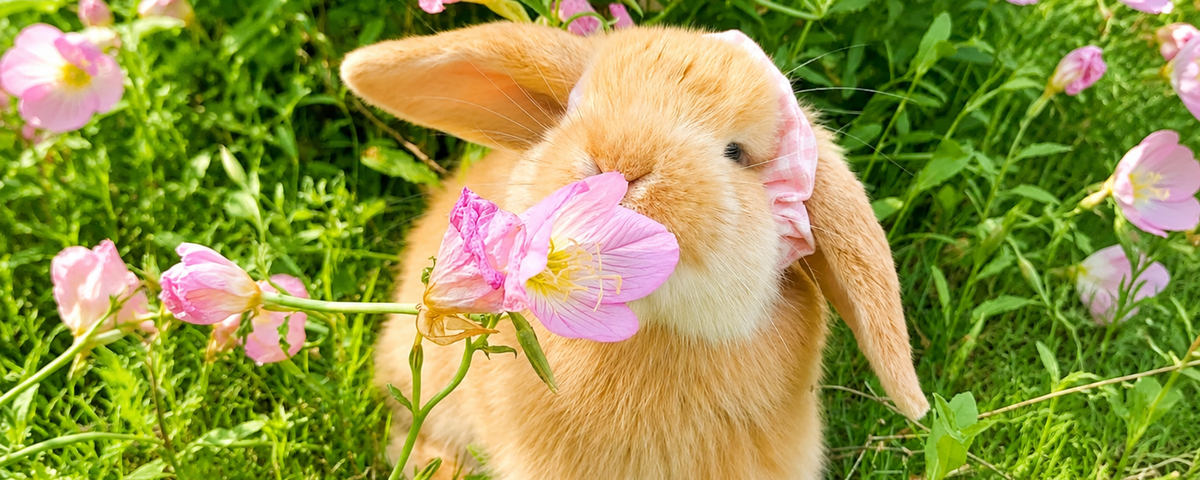
Rabbits have been kept as pets in India for centuries, and they are often sold as a low maintenance choice for busy households. Here's what that reputation actually gets wrong, and what real rabbit care involves.
Rabbits as Pets in India: The Truth Behind "Easy to Care For"
By Dr. Brajmadhuri, TruVet Pet Care Clinic, Sector 79, Gurgaon
Rabbits have been kept as pets in India for centuries, and they are often sold as a low maintenance choice for busy households. Here is what that reputation actually gets wrong, and what real rabbit care involves.
Rabbits occupy an interesting place in Indian pet culture. They have been kept as companions here since roughly the twelfth century, and today they are frequently recommended to urban families as an easy, low maintenance alternative to a dog or cat. Some of this reputation is fair. A lot of it genuinely is not, and the gap between expectation and reality is exactly why rabbits are also among the pets most commonly surrendered or abandoned within a year of being brought home.
Where the "easy to care for" reputation comes from
Rabbits are quiet, they do not need to be walked outdoors, and they can be litter trained, which understandably makes them look like a convenient pet for a busy urban household. Breeds like the Mini Rex are particularly popular in India specifically because they are calm, docile, and manageable in an apartment setting. None of this is wrong exactly, but it also does not add up to genuinely low effort care, and this mismatch between reputation and reality is precisely what causes trouble down the line.
What real rabbit care actually involves
Rabbits are genuinely social animals, and a rabbit left alone in a cage for most of the day, with only brief handling, is not a rabbit whose needs are being met, regardless of how quiet and undemanding he appears to be. They need daily time outside their enclosure to move around, explore, and interact, along with genuine social engagement, either from their owner or, ideally, from another compatible rabbit. Their diet is also more particular than many owners expect. A rabbit's digestive system depends heavily on a constant supply of hay, which should make up the large majority of their diet, alongside fresh vegetables and a controlled amount of pellets, rather than the more casual feeding approach many owners assume is sufficient.
Their teeth grow continuously throughout their life, which means they need appropriate material to chew on constantly, and a lack of this can lead to painful dental problems that are not always obvious until they become serious. And despite their reputation as a low maintenance pet, rabbits do need regular veterinary care, including monitoring for dental issues, appropriate parasite prevention, and, in many cases, spaying or neutering, both for health reasons and to prevent unwanted litters if more than one rabbit is kept together.
The specific legal detail worth knowing in India
Only certain rabbit breeds are legal to keep as pets in India, and wild rabbit species are strictly off limits. Breeds like the Mini Rex, sold specifically as domesticated pet breeds, are the legal and appropriate choice, and this is worth confirming with a reputable breeder or seller rather than assuming any rabbit sold in a market is automatically a legal pet variety.
Why the surrender problem is a genuine pattern, not a rare occurrence
This is worth being honest about directly, since it is exactly the gap this article is trying to address. Rabbits are commonly bought on impulse, often for children, precisely because they look easy and low commitment. When the reality of daily care, cleaning, feeding, dental maintenance, and genuine social interaction sets in, a meaningful number of rabbits end up surrendered, released, or simply neglected within their first year. This pattern is well documented internationally and reflects the same underlying mismatch between expectation and reality that drives it in India too.
Common health issues owners often miss
Overgrown teeth are one of the most common and most preventable issues, usually caused by an insufficient supply of hay or appropriate chew material. Digestive problems, sometimes serious, can develop from a diet too heavy in pellets and too light in hay, since a rabbit's gut is built to process large amounts of fibre continuously. Obesity is a genuine concern too, particularly in rabbits kept in small enclosures without enough daily movement. And because rabbits are prey animals by instinct, they are also very good at hiding signs of illness or pain until a condition has become fairly advanced, which means subtle changes in appetite, energy, or litter box habits deserve attention rather than a wait and see approach.
What actually makes a good rabbit owner
A genuinely well cared for rabbit needs daily time outside a cage or hutch to move and explore, a diet built primarily around hay rather than pellets, continuous access to safe chewing material, regular handling and social interaction, and periodic veterinary checkups, not just care when something visibly goes wrong. None of this is dramatically more demanding than caring for a dog or cat, but it is genuinely more involved than the quiet, low effort image rabbits are often sold with.
The TruVet takeaway
Rabbits can be wonderful, genuinely rewarding pets for a household that goes in with realistic expectations, but the popular idea that they are an easy, low maintenance choice sets a lot of owners up to be caught off guard. Real rabbit care means daily interaction, a hay based diet, ongoing dental attention, and proper veterinary support, not simply a cage and an occasional bowl of vegetables. If you are considering a rabbit, or already have one and want to make sure his care is genuinely on track, it is worth a proper conversation before problems become established.
TruVet Pet Care Clinic is located at Shop No 4-6, opposite Bestech Park View Altura, Sector 79, Naurangpur, Gurugram, Haryana 122051. Dr. Brajmadhuri personally handles every consultation, and we are open all seven days from 10am to 8pm for OPD consultation, vaccination, deworming, surgery, and health checkups for pets including rabbits. WhatsApp us at +91 98710 10355 if you have questions about your rabbit's diet, dental health, or general care.
Frequently asked questions.
How much time does a rabbit actually need outside its cage each day?
Ideally several hours of supervised time to move around and explore, rather than being confined to a cage for the vast majority of the day. A rabbit kept constantly caged is genuinely more likely to develop both health and behavioural issues over time.
My rabbit seems fine eating mostly pellets. Is hay really necessary?
Yes, genuinely essential rather than optional. A rabbit's digestive system is built around a continuous supply of fibre from hay, and a diet too heavy in pellets and too light in hay can lead to serious digestive problems even if your rabbit seems outwardly fine in the short term.
Can I keep just one rabbit, or do they need a companion?
A single rabbit can do well with genuine daily interaction and attention from you, though rabbits are naturally social animals, and many do better long term with a compatible companion, provided introductions are handled carefully.
How do I know if my rabbit's teeth are overgrown?
Signs include reduced appetite, drooling, difficulty eating, or visible changes in how the front teeth look. Since dental problems can develop gradually, a regular veterinary check is the most reliable way to catch this early.
Is it true that any rabbit sold in a market is legal to keep as a pet in India?
Not necessarily. Only certain domesticated breeds are legal, and wild rabbit species are off limits, so it is worth confirming the specific breed with a reputable seller rather than assuming.
What is the most common mistake first time rabbit owners make?
Underestimating the amount of daily interaction and hay based diet a rabbit genuinely needs, based on their reputation as a quiet, low maintenance pet, which is exactly the gap that leads to preventable health and welfare problems later.
Questions for Dr. Brajmadhuri?
Open all 7 days, 10am to 8pm. Walk-in OPD welcome.