 TruVet Pet Care Clinic
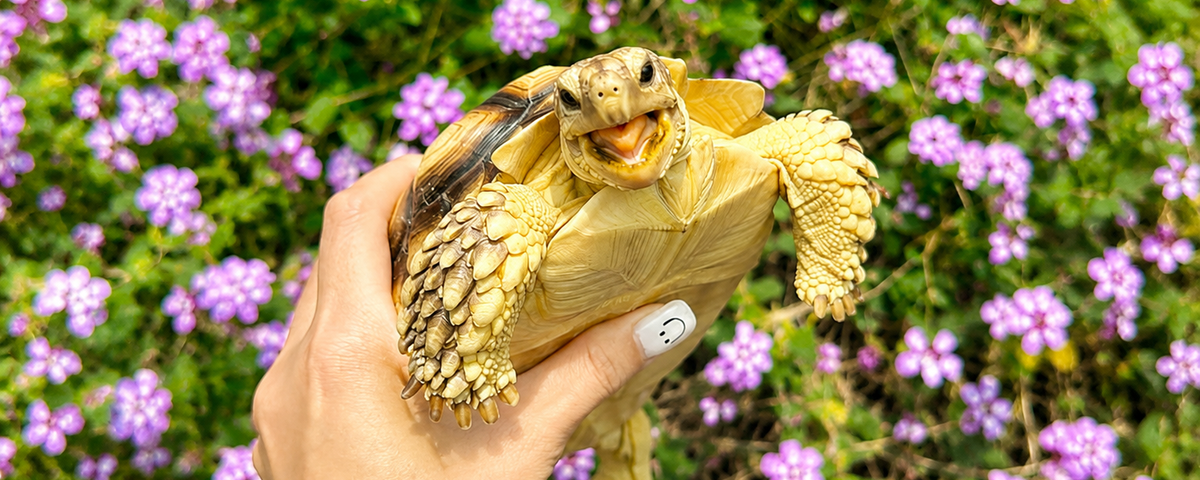
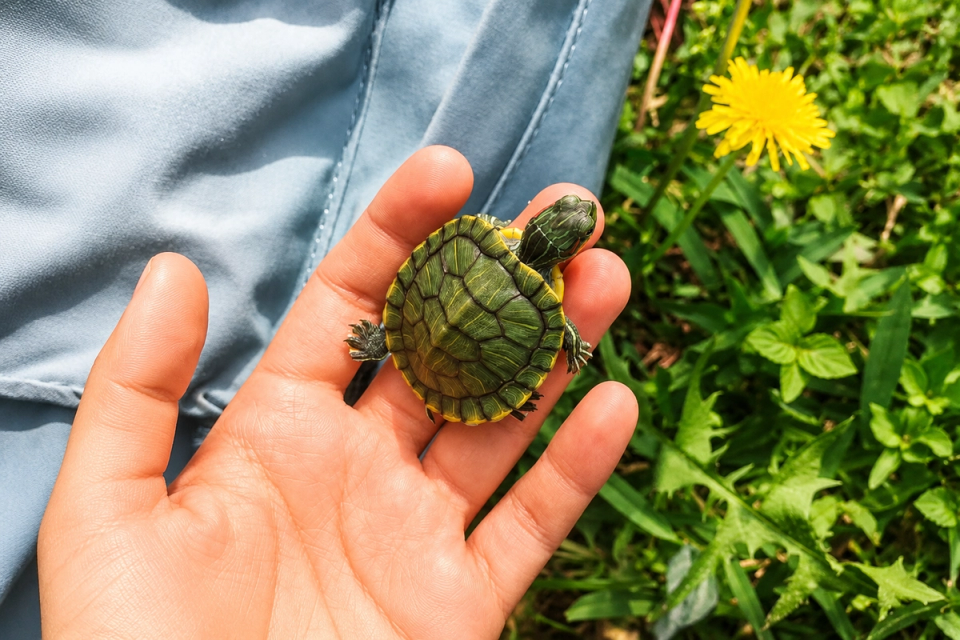
That palm sized baby turtle at the pet shop can easily outlive the person buying it. Before bringing one home, here's what its lifespan, legal status, and real care needs actually involve.
Turtles as Pets: Why They Live Longer Than You Do, and What That Actually Means for Owning One
By Dr. Brajmadhuri, TruVet Pet Care Clinic, Sector 79, Gurgaon
That palm sized baby turtle at the pet shop can easily outlive the person buying it. Before bringing one home, here is what its lifespan, legal status, and real care needs actually involve.
A baby turtle is a genuinely deceptive purchase. It arrives small enough to sit in the palm of a hand, quiet, undemanding, and easy to underestimate. What most buyers do not fully grasp in that moment is that they may be taking on a commitment that outlasts their own working career, and in some cases, a commitment that carries real legal complications most pet shops never mention.
Just how long do pet turtles actually live
The most commonly kept pet turtle worldwide, the red eared slider, typically lives twenty to thirty years in captivity with proper care, and individuals reaching forty years or more are genuinely documented. This means a turtle bought as a small child's pet can easily still be alive when that child has grown, moved out, and started a career of their own. Few other common pets ask for this kind of decades long commitment from the very first purchase.
Why this longevity actually causes problems
This is not simply an interesting fact. It is a significant part of why turtles are so commonly surrendered, released, or neglected over time. A pet bought as a novelty or a child's request often outlives the original owner's interest, living situation, or capacity to provide proper care, and turtles are frequently among the animals people eventually try to give up or, more damagingly, simply release outdoors when they can no longer manage them.
The legal picture is bigger and more serious than most owners realise
This is genuinely important for any Indian pet owner to understand clearly, and it goes well beyond any single species. India's native turtle and tortoise species, essentially all of them, are protected under the Wildlife Protection Act of 1972, and keeping, trading, or capturing them is illegal. This is not a minor technicality limited to one commonly discussed species. It covers the Indian star tortoise, the Indian flapshell turtle, and multiple native softshell and freshwater turtle species found across the country's rivers, lakes, and wetlands.
The Act organises protection into schedules, and the level of protection genuinely varies by species. Before a major 2022 amendment, which came into force in 2023, the law had six schedules, with Schedule I carrying the highest level of protection, the same tier given to tigers and elephants. The 2022 amendment consolidated this down to four schedules and, notably, elevated many native turtle and tortoise species to that highest tier of protection. The Indian flapshell turtle, for example, is protected under Schedule I, meaning smuggling or illegal possession is treated as a non bailable offence. The Indian star tortoise, one of the most heavily trafficked species in the illegal pet trade because of its visually striking shell pattern, has historically been listed under Schedule IV and is also protected under international trade rules through CITES, alongside facing similarly serious domestic penalties.
The practical point worth understanding clearly is this: the legal line in India is drawn primarily between native and exotic species, not simply between turtles and tortoises as categories. Any turtle or tortoise species that occurs naturally in India is protected, several at the very highest level, and keeping one, buying one, or even rescuing one without going through the proper forest department channels can constitute a genuine criminal offence.
Where the red eared slider fits into this picture
The red eared slider, the most commonly kept pet turtle worldwide and the species this article focuses on for its longevity, is a genuinely different case, and its situation is worth understanding on its own terms. It is not native to India at all, originating instead from the southeastern United States and Mexico, which means it falls outside the native species protections described above. That said, its legal status in India is still not straightforwardly simple. It is officially listed under Schedule IV of the Wildlife Protection Act specifically as a regulated exotic species, restricting keeping, trading, or transporting it without proper permits, and the import and commercial sale of the species has separately been banned. Despite this, it continues to be sold widely in Indian pet markets, and most buyers are never made aware of this legal complexity at the point of sale.
Why this matters even more for native species specifically
If you are drawn to keeping a turtle or tortoise as a pet, the single most important thing to establish before acquiring one is whether the specific species is native to India or genuinely exotic. Native species, including the Indian star tortoise and the Indian flapshell turtle among many others, should never be kept, regardless of how they are being sold or how the seller describes their legality, since possession alone can carry serious criminal consequences, including imprisonment in more serious cases. Exotic tortoise species that are genuinely legal to keep in India, and commonly available through proper channels, include the Sulcata tortoise, the Red footed tortoise, and Hermann's tortoise, none of which occur naturally in India and are therefore not covered by the Act's native species protections in the same way. Even here, though, proper documentation of legal import matters, and a reputable, transparent seller should be able to provide it.
Why releasing a pet turtle is a genuinely serious problem
Beyond the legal question, there is a real ecological one. Red eared sliders are officially recognised as one of the world's most damaging invasive species, and released or escaped pet turtles have established breeding populations in water bodies across India, including documented populations in Delhi's own urban wetlands. These invasive turtles compete directly with India's native, already threatened turtle species for food and basking space, contributing to the decline of species that are supposed to be protected. If you are ever considering giving up a pet turtle, releasing it into a local pond or lake is never an appropriate option, regardless of how natural or humane it might seem in the moment.
What genuine long term care actually requires
Beyond the longevity and legal questions, turtles have real, specific care needs that go well beyond a small bowl of water. As they grow, and red eared sliders can reach twenty five to thirty centimetres in shell length, they need progressively larger enclosures, ideally including both a substantial swimming area and a proper basking area with appropriate heat and UVB lighting to support healthy shell and bone development. Water quality needs consistent monitoring and filtration, since poor water conditions are a common cause of shell and skin infections in captive turtles. Their diet shifts as they age too, with younger turtles needing more animal protein and adults needing a more plant heavy diet, and getting this balance wrong over years can contribute to slow, hard to notice health decline.
Signs of poor turtle health worth knowing
Because turtles are relatively stoic animals, problems often develop slowly and are easy to miss until they become serious. Watch for a soft or pitted shell, unusual discharge from the eyes or nose, reduced appetite, lethargy, or difficulty swimming normally. Metabolic bone disease, caused by inadequate UVB lighting or an imbalanced diet over time, is a genuinely common and largely preventable condition in captive turtles that develops gradually enough to go unnoticed for a long while.
What to actually consider before getting a pet turtle
Given everything above, a turtle or tortoise is a genuinely serious, decades long commitment that deserves the same consideration as any other long lived pet, not a casual purchase for a child based on size and price alone. Before anything else, confirm the exact species being sold and whether it is native to India or genuinely exotic, since this single question determines whether keeping it is legal at all, not just how to care for it. If you are set on keeping one, understanding its full grown size, its real habitat and lighting requirements, and its confirmed legal status before bringing one home avoids the exact situation that leads so many turtles and tortoises to be neglected, surrendered, seized by authorities, or illegally released later.
The TruVet takeaway
A pet turtle's small size and quiet nature genuinely disguise just how significant a commitment it represents, potentially lasting decades longer than most other common pets. Combined with a legal status in India that is more complicated than most buyers realise, and the very real ecological harm caused when turtles are eventually released, this is a pet that deserves considerably more research and thought before purchase than its price tag or size might suggest.
TruVet Pet Care Clinic is at Shop No 4-6, opposite Bestech Park View Altura, Sector 79, Naurangpur, Gurugram, Haryana 122051. Dr. Brajmadhuri personally examines every patient, and we are open all seven days from 10am to 8pm for OPD consultation, vaccination, deworming, surgery, and health checkups across a range of pets. WhatsApp us at +91 98710 10355 if you have questions about a pet turtle's care or health.
Frequently asked questions.
Is it actually illegal to own a red eared slider turtle in India?
Its situation is genuinely more nuanced than a simple yes or no. It is not a native protected species, but it is listed under Schedule IV of the Wildlife Protection Act as a regulated exotic species, restricting keeping and trading without proper permits, and its import and commercial sale have separately been banned, even though it continues to be sold in many markets. This is worth understanding clearly rather than assuming it is automatically fine.
I have seen Indian star tortoises and other native species for sale. Is it legal to buy one?
No, and this deserves to be stated plainly. Native Indian turtle and tortoise species, including the Indian star tortoise and the Indian flapshell turtle among others, are protected under the Wildlife Protection Act, several at the very highest level of protection given to species like the tiger. Buying, keeping, or trading any of them is a genuine criminal offence regardless of how casually they are being sold.
How do I know if a species is legal to keep before buying?
Confirm clearly whether the specific species is native to India or genuinely exotic, since this is the actual legal dividing line, and ask any seller for documentation of legal import for an exotic species. If there is any doubt at all, it is worth checking with your local forest department before proceeding rather than after.
What should I do if I can no longer care for my pet turtle?
Never release it into a local pond, lake, or water body, since this contributes to a genuine, documented ecological problem. Reach out to a wildlife organisation or turtle rescue group for guidance on rehoming responsibly instead.
How big of a tank does an adult turtle actually need?
Considerably larger than what most owners start with. As a red eared slider approaches its adult size of twenty five to thirty centimetres, it needs a substantial tank or pond with both deep swimming water and a proper basking area, well beyond what a starter tank provides.
Can turtles recognise their owners?
To some extent, yes. Many pet turtles learn to associate their owner with feeding and may swim toward them or show recognition behaviour over time, even though they are generally not fond of being handled the way a dog or cat might be.
What is the most common preventable health issue in pet turtles?
Metabolic bone disease, caused by inadequate UVB lighting or an imbalanced diet, is one of the more common and most preventable conditions seen in captive turtles, developing gradually enough that it is often missed until fairly advanced.
Are all turtle species equally long lived?
Lifespans vary by species, but many commonly kept pet turtles, including red eared sliders, are genuinely long lived, with several other species known to live even longer, sometimes fifty years or more.
Questions for Dr. Brajmadhuri?
Open all 7 days, 10am to 8pm. Walk-in OPD welcome.