 TruVet Pet Care Clinic
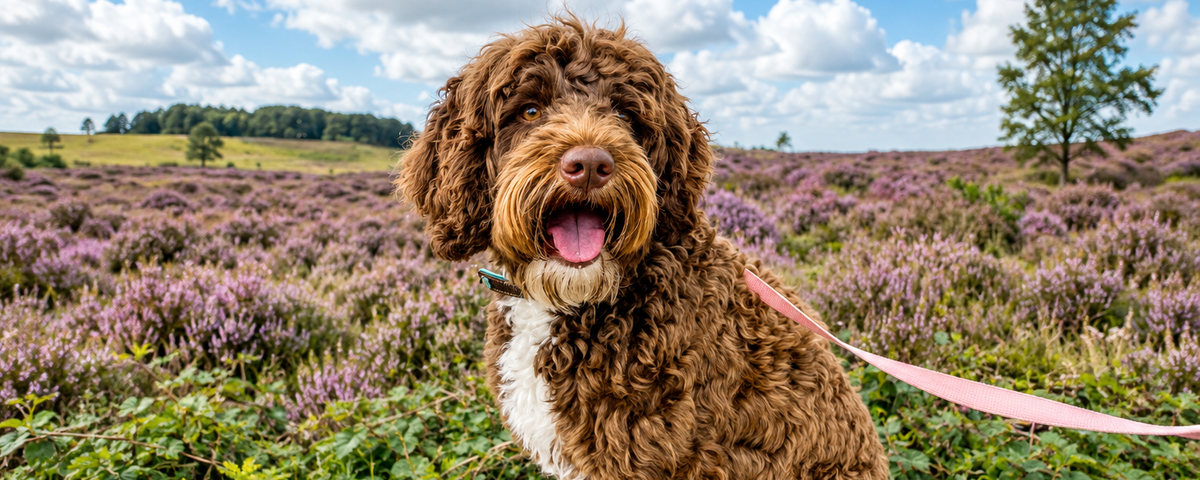
Doodle breeds are marketed heavily as the answer for allergy sufferers who want a dog. The actual science tells a more complicated story, one that even the breed's own creator has spoken about with real regret.
The Doodle Truth: Are Labradoodles Really Hypoallergenic?
By Dr. Brajmadhuri, TruVet Pet Care Clinic, Sector 79, Gurgaon
Doodle breeds, Labradoodles, Goldendoodles, and their various relatives, have become hugely popular over the past couple of decades, driven substantially by their reputation as a hypoallergenic option for people who love dogs but struggle with allergies. It is a compelling promise, and one that has shaped an enormous amount of breeding and buying decisions. The trouble is that the actual research on this specific claim tells a considerably more complicated story than the marketing suggests.
Where the hypoallergenic claim actually comes from
Doodle breeds were originally created by crossing a Poodle, known for a coat that sheds minimally, with another breed, most famously a Labrador Retriever. The logic seemed straightforward, combine a low shedding coat with a friendly, family suited temperament, and you get a dog that sheds less and therefore triggers fewer allergic reactions. This logic has genuine appeal, and it is not entirely without basis, since shedding hair does carry some allergens along with it. But it overlooks a fairly important detail about what actually causes most dog allergies in the first place.
What actually triggers dog allergies
The primary allergen involved in most dog related allergic reactions is not the hair or fur itself, but a specific set of proteins found in a dog's dander, saliva, and urine. These proteins are present in every dog, regardless of breed, coat type, or shedding tendency. This means that even a dog who sheds very little can still produce and spread the same allergenic proteins as a heavily shedding dog, simply through licking, drooling, and normal skin cell turnover, rather than through visible loose fur specifically.
What the actual research found
A study conducted at Henry Ford Hospital, examining allergen levels across a meaningful number of homes with different dog breeds, found no significant difference in allergen levels between homes with so called hypoallergenic breeds and homes with other breeds. In other words, the presence of a low shedding coat did not translate into measurably lower allergen exposure in the actual living environment, which directly challenges the core premise behind the hypoallergenic marketing claim.
This does not mean every individual person's experience is identical, since allergic sensitivity varies considerably from person to person, and some individuals genuinely do react less to certain dogs than others for reasons that are not always well understood. But as a reliable, guaranteed category wide claim, the idea that doodle breeds are meaningfully hypoallergenic does not hold up well against the actual data.
A surprising admission from the breed's own creator
One of the more striking details in this story comes from Wally Conron, the Australian breeder widely credited with creating the original Labradoodle in the late nineteen seventies, specifically to serve as a guide dog for a visually impaired woman whose husband had allergies. Conron has spoken publicly and candidly about his regret over how the breed's popularity developed afterward, noting that the demand it created led to a wave of poorly planned breeding focused on appearance and marketability rather than health or temperament, and expressing disappointment at how the hypoallergenic promise was oversold well beyond what the original, carefully considered breeding programme had actually demonstrated.
Why this matters for anyone considering a doodle
None of this means doodle breeds are a poor choice, many are genuinely wonderful family dogs with lovely temperaments. What it does mean is that anyone specifically choosing a doodle because of allergies deserves accurate information rather than a marketing promise that outpaces the actual evidence. If allergies are a serious concern in your household, a few things are worth doing before committing to any breed on the assumption that it will solve the problem. Spending real, extended time with the specific dog you are considering, rather than relying on breed reputation alone, gives a far more reliable indication of your actual individual reaction. Consulting an allergist about your specific sensitivities, since some people react more to certain individual dogs regardless of breed, provides more useful guidance than a general breed claim. And going in with realistic expectations, understanding that no breed offers a guaranteed allergy free experience, helps avoid disappointment and difficult decisions later if a reaction turns out to be more significant than expected.
The TruVet takeaway
The hypoallergenic reputation surrounding doodle breeds is a genuinely appealing idea that does not hold up particularly well under actual scientific scrutiny. Allergen levels come primarily from proteins present in every dog, not from shedding fur specifically, and research directly comparing allergen levels across breeds has found no meaningful advantage for so called hypoallergenic dogs. If allergies are a real consideration for your household, spending time with the specific dog and getting proper allergist guidance will serve you far better than trusting breed marketing alone.
TruVet Pet Care Clinic is at Shop No 4-6, opposite Bestech Park View Altura, Sector 79, Naurangpur, Gurugram, Haryana 122051. Dr. Brajmadhuri personally examines every patient, and we are open all seven days from 10am to 8pm for OPD consultation, vaccination, deworming, surgery, and health checkups for dogs and cats. WhatsApp us at +91 98710 10355 if you are weighing a new breed for your household and want honest guidance.
Frequently asked questions.
If doodle breeds are not truly hypoallergenic, why do some allergy sufferers do fine with them?
Individual allergic sensitivity varies considerably, and some people genuinely do react less to specific dogs for reasons not fully understood, which is different from the breed reliably producing lower allergen exposure across the board.
What actually causes most dog allergies, if it is not the fur?
The primary allergens come from proteins present in a dog's dander, saliva, and urine, which every dog produces regardless of coat type or shedding tendency.
Is there any dog breed that is genuinely hypoallergenic?
No breed has been shown to reliably produce significantly lower allergen levels in controlled research, though individual dogs and individual allergic reactions can still vary meaningfully from person to person.
Should I avoid getting a doodle breed if I have allergies?
Not necessarily, but it is worth spending real time with the specific dog beforehand and consulting an allergist, rather than assuming the breed alone guarantees a reduced reaction.
Are doodle breeds otherwise a good choice for families?
Many doodle breeds have genuinely lovely, family friendly temperaments and can be excellent companions, the concern here is specifically about the hypoallergenic marketing claim rather than the breed's overall suitability as a pet.
How can I reduce allergen exposure at home regardless of which breed I choose?
Regular bathing and grooming, frequent cleaning of bedding and furniture, and maintaining good home ventilation can all help reduce allergen buildup somewhat, regardless of which breed is involved.
Questions for Dr. Brajmadhuri?
Open all 7 days, 10am to 8pm. Walk-in OPD welcome.