 TruVet Pet Care Clinic
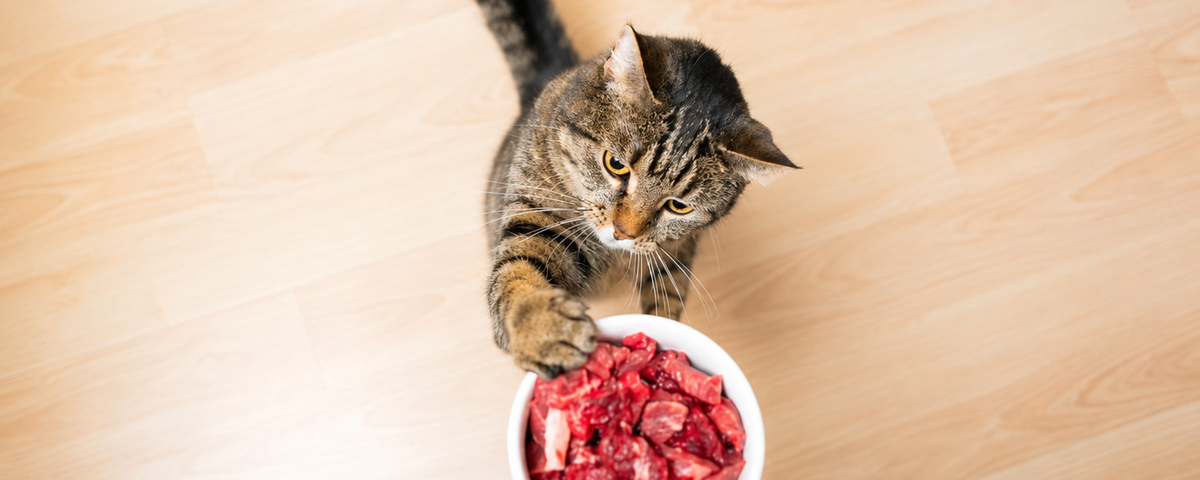
From a bite of roti to a spoon of curd, Indian kitchens are full of things a cat might beg for. Here's a clear, vet approved guide to what is actually safe from a typical Indian household, and what genuinely is not.
Human Foods Cats Can Eat, and the Ones You Should Never Feed Them
By Dr. Brajmadhuri, TruVet Pet Care Clinic, Sector 79, Gurgaon
Almost every cat owner has felt those eyes on them at dinner, patient, unblinking, deeply convinced that whatever is on your plate belongs to her too. Sharing occasionally is not automatically a problem, but cats are obligate carnivores with a genuinely different metabolism from ours, and a food that is completely harmless for you can range anywhere from mildly upsetting to seriously dangerous for her. Here is a clear breakdown built around what is actually common in Indian kitchens, what is fine in moderation, and what should never make it into her bowl at all.
Foods that are generally safe for cats, in moderation
Plain cooked chicken. A lean, easily digested protein that most cats genuinely enjoy, as long as it is thoroughly cooked, unseasoned, and free of bones, without any masala, chilli, or oil mixed in.
Plain boiled or steamed fish. A good source of protein and beneficial fatty acids, provided it is thoroughly cooked, deboned, and completely free of the onion and garlic based gravies typical of Indian fish preparations.
Cooked eggs. A solid source of protein and B vitamins, but always fully cooked, plain, and without the onion, chilli, or spices that go into a typical Indian style omelette or bhurji.
Small amounts of plain curd or paneer. These are gentler on a cat's digestion than milk, since much of the lactose is already broken down or separated out, making them a reasonable occasional option where plain milk often is not.
Plain cooked rice. An easily digestible, neutral addition in small amounts, though it offers little nutritional value on its own and should stay a very minor part of any meal.
Plain roti, in tiny amounts, fully cooked. A small piece of well cooked, plain roti without ghee, oil, or any stuffing is generally tolerated, though it should never replace a proper protein based meal.
Pumpkin, cooked and unspiced. A gentle source of fibre that many vets recommend in small amounts to support normal digestion.
Cooked carrots and cucumber. Small portions of these are generally well tolerated and can add a bit of variety, though they should never substitute for the animal protein that forms the core of a cat's diet.
Small pieces of watermelon or papaya. Both are generally safe in small amounts and can be a nice hydrating treat in hot weather, as long as seeds and rind are removed first.
A general rule worth keeping in mind across all of these, any human food, even a fully safe one, should stay under about ten percent of your cat's total daily calories, with the remaining ninety percent coming from a complete, balanced commercial cat food.
Foods you should genuinely avoid
Onion and garlic, in any form. This is easily the single biggest risk in an Indian kitchen specifically, since onion and garlic form the base of the vast majority of Indian curries, dals, and gravies. Both damage a cat's red blood cells and can cause a serious form of anaemia, whether raw, cooked, or powdered, which means almost any home cooked Indian curry, however mild, is unsafe to share, not because of the spice itself but because of what it is built on.
Spicy or heavily masala laden food generally. Beyond onion and garlic specifically, the general heat and spice level of most Indian cooking, chilli, garam masala, and rich oil or ghee content, causes genuine digestive upset in cats even when no single ingredient is outright toxic.
Raw kneaded atta dough. This deserves specific mention in an Indian household, since raw roti or bread dough left out while kneading is a genuine, commonly seen risk. The yeast or fermentation process can expand dangerously in a cat's stomach and produce alcohol as a byproduct, creating a double danger that many owners do not realise applies to something as ordinary as dough for roti.
Tea and coffee. Offering a cat a lick of chai, a common habit in many Indian homes, is genuinely risky, since caffeine can cause restlessness, a racing heart, and tremors, even in small amounts relative to a cat's size.
Chocolate and cocoa based sweets. Increasingly common in Indian homes and festival spreads, chocolate contains compounds toxic to cats, and while cats tend to sample rather than binge on it due to limited sweet taste perception, it should never be intentionally offered.
Grapes, raisins, and kishmish. Common in Indian sweets, biryani, and festive cooking, these can cause sudden kidney failure in cats, just as in dogs, even in small quantities, with no known safe amount.
Excess milk. Despite the popular image of a cat happily lapping up a saucer of milk, most adult cats lose much of their ability to digest lactose properly, and plain milk causes genuine digestive upset in a lot of cats, more so than curd or paneer.
Alcohol in any form. Including small amounts left in glasses after a gathering, since a cat's small body size means even a small quantity can cause serious harm.
Raw meat, fish, or eggs. Common in some raw feeding trends, these carry a real risk of bacterial contamination, including salmonella and E. coli, and raw eggs specifically interfere with a B vitamin your cat needs.
Why the onion and garlic point matters so much here
It is worth pausing on this specifically, since it is the single most relevant point for an Indian household. Unlike a lot of Western food safety guides, where onion and garlic show up as one item among many, in an Indian kitchen they are the base of nearly every savoury dish cooked at home, which means the practical takeaway is less about avoiding one specific dish and more about recognising that almost any home cooked curry, dal, or gravy, however plain it looks, is built on an ingredient that is genuinely unsafe for cats.
What to do if your cat eats something on the unsafe list
If you know or suspect your cat has eaten something from the unsafe list, do not wait to see if symptoms appear. Contact your vet immediately, and if possible, have information ready about what was eaten and roughly how much. Watch for vomiting, lethargy, unusual weakness, pale gums, or changes in behaviour, and do not attempt any home remedy without direct veterinary guidance, since some approaches can do more harm than good depending on what was actually ingested.
The TruVet takeaway
Sharing a bite of your own food with your cat is not inherently a problem, and a few plain, properly prepared foods can be a perfectly reasonable occasional treat. The real risk in an Indian household specifically comes from onion and garlic hiding in almost every home cooked dish, along with raw roti dough, chai, and festive sweets containing grapes or chocolate. Knowing this clearly is one of the simplest ways to keep your cat safe while still letting her enjoy the occasional, genuinely safe taste of what is on your plate.
TruVet Pet Care Clinic is at Shop No 4-6, opposite Bestech Park View Altura, Sector 79, Naurangpur, Gurugram, Haryana 122051. Dr. Brajmadhuri personally examines every patient, and we are open all seven days from 10am to 8pm for OPD consultation, vaccination, deworming, surgery, and health checkups for dogs and cats. WhatsApp us at +91 98710 10355 immediately if you think your cat has eaten something from the unsafe list.
Frequently asked questions.
My cat licked a little bit of dal by accident. Should I panic?
Do not panic, but do call your vet promptly to discuss what was eaten and how much, since onion and garlic based toxicity in cats can take a few days to show symptoms, and early guidance is genuinely useful even if the amount seems small.
Is curd really safer for my cat than milk?
Generally yes, since a meaningful portion of the lactose in milk is broken down during the curd making process, which makes small amounts of plain curd easier on most cats' digestion than an equivalent amount of plain milk.
Can my cat have a small piece of paneer as a treat?
A small, plain piece of paneer is generally tolerated by most cats, though it should stay an occasional treat rather than a regular addition, and any seasoned or spiced paneer preparation should be avoided.
Why is raw roti dough dangerous if cooked roti is fine?
The danger is specifically in the raw, uncooked state, where yeast or fermentation can cause the dough to expand in your cat's stomach and produce alcohol as a byproduct. Once fully cooked and plain, a small piece of roti does not carry this same risk.
Is it really that risky to let my cat have a lick of my chai?
Yes, genuinely. The caffeine in tea and coffee affects a cat's heart rate and nervous system even in small amounts, so it is best avoided entirely rather than treated as a harmless habit.
How much human food is too much for my cat overall?
As a general guideline, any human food, even from the safe list, should stay under about ten percent of her total daily calories, with the rest coming from a complete and balanced commercial cat food.
Questions for Dr. Brajmadhuri?
Open all 7 days, 10am to 8pm. Walk-in OPD welcome.