 TruVet Pet Care Clinic
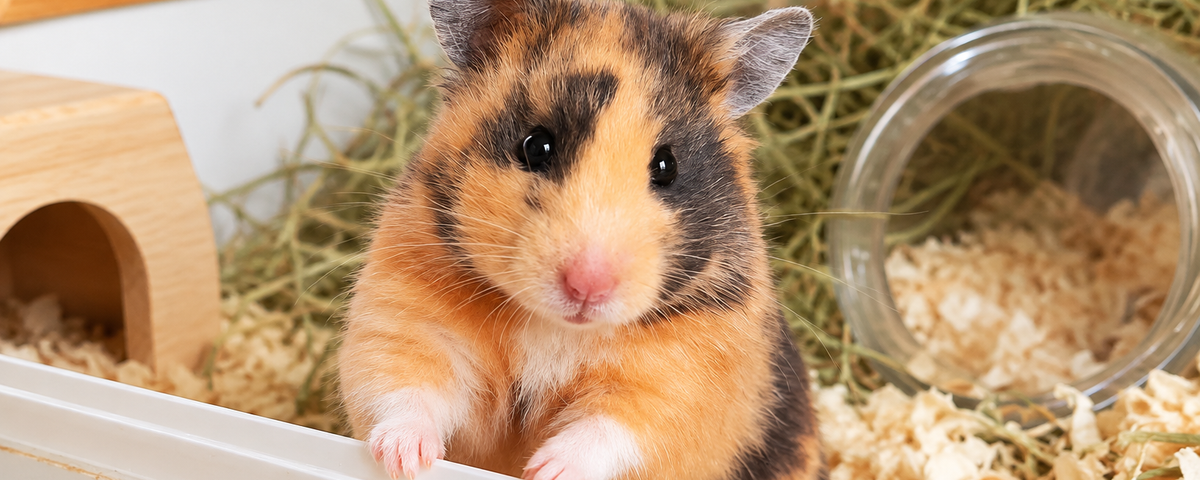
A hamster looks like the perfect low commitment first pet for a child. The reality involves a nocturnal schedule, a genuinely short lifespan, and care needs most families do not expect. Here's the honest picture.
Hamsters for Kids: What Parents Should Actually Know Before Buying One
By Dr. Brajmadhuri, TruVet Pet Care Clinic, Sector 79, Gurgaon
A hamster looks like the perfect low commitment first pet for a child. The reality involves a nocturnal schedule, a genuinely short lifespan, and care needs most families do not expect. Here is the honest picture.
Hamsters have a reputation as the easy, starter pet, small, quiet, inexpensive, and seemingly perfect for a child asking for their first animal companion. A lot of that reputation does not hold up particularly well once you look at what a hamster actually needs and how a child's daily life actually works, and this mismatch is exactly why hamsters end up neglected or handed over to a parent's care more often than most families expect going in.
The nocturnal mismatch nobody warns you about
Hamsters are naturally nocturnal, meaning they sleep through the day and become active in the evening and overnight. This directly conflicts with when a child is actually available and awake to interact with a pet. A child excited to play with their new hamster after school or before bedtime is often trying to engage an animal that is either still asleep or just beginning to wake up, which leads to disappointment on the child's end and genuine sleep disruption for the hamster if he is repeatedly woken during his rest period.
A genuinely short lifespan
Hamsters typically live only about two to three years, considerably shorter than most other common pets. This means a family is very likely introducing a child to the experience of pet loss within a fairly short window, sometimes less than the time it takes the child to grow meaningfully more responsible and independent as a pet owner. This is not necessarily a reason to avoid a hamster entirely, but it is worth genuinely preparing for rather than being caught off guard by.
Why hamsters are more fragile than they look
Hamsters are small, quick moving, and genuinely delicate. They can be seriously injured by a fall from even a modest height, and young children, still developing fine motor control and a sense of appropriate handling pressure, are at real risk of accidentally hurting a hamster during normal, well intentioned play.
Why hamsters bite, and what that means for young children
A hamster's bite is almost always a startled defensive reaction rather than genuine aggression, often triggered by being woken suddenly or handled unexpectedly. Animal welfare organisations are fairly direct about this specific combination of factors: nocturnal habits plus a tendency to nip when startled genuinely make hamsters unsuitable as a pet for very young children without close, constant adult supervision during every single interaction.
The social housing rule most first time owners get wrong
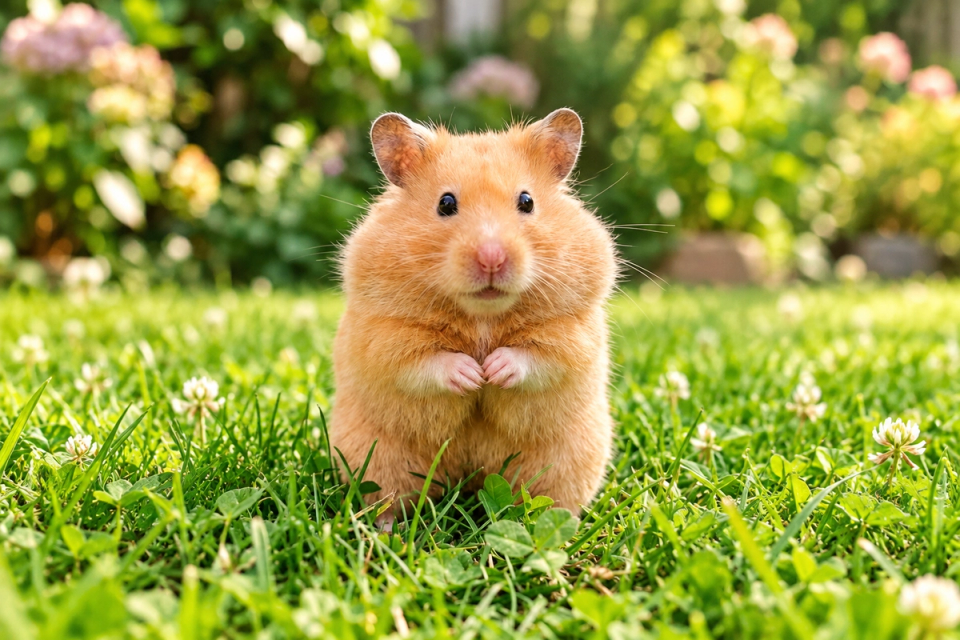
This is one of the more commonly misunderstood aspects of hamster care. Syrian hamsters, the most common pet variety, are strictly solitary animals and must be housed entirely alone. Even siblings from the same litter will become territorial and can fight seriously, sometimes fatally, if kept together past a certain age. Some dwarf hamster species can occasionally share same sex housing, but this requires careful, ongoing monitoring, and it is never a safe assumption to make without proper research into the specific species involved.
What genuinely proper hamster housing looks like
A hamster's enclosure needs considerably more space than the small starter cages often sold alongside them, ideally at least one hundred by fifty centimetres of unbroken floor space, along with deep bedding for natural burrowing behaviour and a solid, appropriately sized wheel for exercise. A cramped, minimally furnished cage genuinely affects a hamster's wellbeing over time, even though he cannot vocalise that discomfort the way a dog or cat more obviously would.
What age is actually appropriate
Given everything above, hamsters genuinely suit older, more patient children, capable of understanding and respecting a nocturnal schedule, handling a small animal gently, and accepting close adult supervision during interactions, considerably more than they suit a very young child expecting a cuddly daytime playmate. The animal welfare consensus is fairly consistent here, hamsters can make suitable pets for older children specifically, provided they are taught the real responsibilities involved, rather than being marketed and purchased as a simple, low effort first pet for a young child.
A few honest questions worth asking before buying one
Is your child old enough to understand and respect that the hamster will mostly be active in the evening, not right after school. Are you, as the parent, prepared to be the primary caregiver in practice, since young children rarely manage full responsibility for any pet consistently. Have you budgeted for a properly sized enclosure rather than the smaller starter cage often sold as a package. And is your family prepared for the emotional reality of a genuinely short two to three year lifespan.
The TruVet takeaway
A hamster is not automatically a bad choice for a family with children, but it is genuinely not the effortless, ideal first pet its reputation suggests either. The mismatch between a hamster's nocturnal nature and a child's daily schedule, combined with real fragility, a short lifespan, and strict solitary housing needs, means this decision deserves the same genuine thought as any other pet, not simply the assumption that small and quiet automatically means easy.
TruVet Pet Care Clinic is located at Shop No 4-6, opposite Bestech Park View Altura, Sector 79, Naurangpur, Gurugram, Haryana 122051. Dr. Brajmadhuri personally handles every consultation, and we are open all seven days from 10am to 8pm for OPD consultation, vaccination, deworming, surgery, and health checkups for a range of pets. WhatsApp us at +91 98710 10355 if you have questions about your hamster's care or health.
Frequently asked questions.
What age is genuinely appropriate for a child to own a hamster?
Older, more patient children who can understand and respect a nocturnal schedule and handle a small animal gently tend to do considerably better than very young children, and close adult supervision remains important regardless of age.
Can I keep two hamster siblings together to keep each other company?
For Syrian hamsters specifically, no. They are strictly solitary and will become territorial, sometimes fighting seriously, even with siblings, once they reach a certain age, so they must be housed alone.
Why does my hamster seem to bite when I try to pick him up?
This is almost always a startled defensive reaction rather than genuine aggression, often triggered by handling him suddenly or while he is asleep. Gentle, predictable handling during his active hours reduces this considerably.
Is the small starter cage sold with most hamster kits actually big enough?
Usually not. Proper hamster housing needs considerably more space than most starter kits provide, along with deep bedding for burrowing, so it is worth budgeting for a larger enclosure from the start.
How long do hamsters typically live?
Most hamsters live around two to three years, which is genuinely short compared to most other common pets, and worth preparing for emotionally, particularly if this will be a child's first experience with pet loss.
My hamster seems to sleep all day. Is something wrong with him?
No, this is completely normal. Hamsters are naturally nocturnal and are meant to be most active in the evening and overnight, which is worth keeping in mind when planning interaction time with him.
Questions for Dr. Brajmadhuri?
Open all 7 days, 10am to 8pm. Walk-in OPD welcome.