 TruVet Pet Care Clinic

A microchip and a GPS tracker sound like they do the same job, and they genuinely do not. Here's an honest look at what pet tech actually delivers, what it does not, and what is genuinely worth spending on.
GPS Trackers, Smart Feeders and Pet Cams: Genuinely Useful or Overhyped?
By Dr. Brajmadhuri, TruVet Pet Care Clinic, Sector 79, Gurgaon
Pet technology has expanded considerably over the past several years, GPS trackers, automated feeders, and cameras that let you check in on a pet remotely are all now widely available and heavily marketed. Some of it genuinely delivers real, practical value. Some of it is oversold relative to what it can actually do. Here is an honest breakdown.
The confusion between a microchip and a GPS tracker
This is genuinely one of the most common misunderstandings pet owners have, and it is worth clearing up directly. A microchip is a small, passive device implanted under a pet's skin, carrying no battery and no active signal of any kind. It cannot be used to locate a lost pet in real time under any circumstances. What it does is provide permanent identification, readable by a scanner if your pet is found and brought to a vet or shelter, at which point your registered contact details can be looked up and used to reunite you.
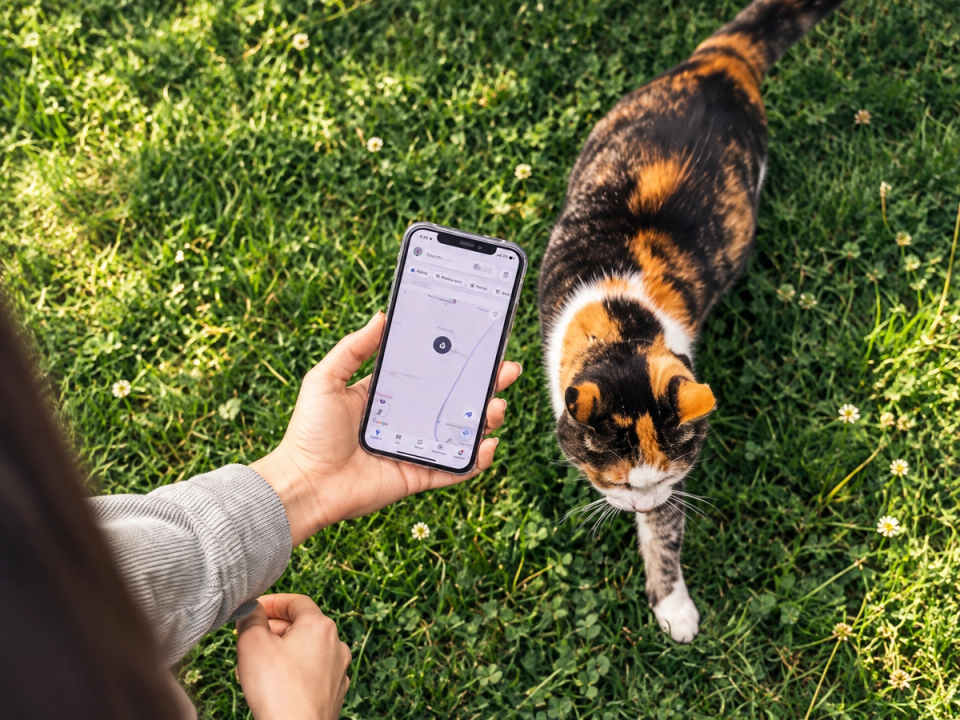
A GPS tracker is an entirely different, active device, typically worn on a collar, that communicates with satellites and a cellular network to report your pet's location in real time directly to an app on your phone. This is the tool that actually lets you locate a pet the moment he goes missing, rather than waiting for someone else to find him and take him somewhere a microchip can be scanned.
The genuinely important point here is that these two technologies solve different problems and do not replace each other. A microchip is the reliable backup that works even if a GPS collar falls off, runs out of battery, or was never being worn in the first place. A GPS tracker is what actually lets you act immediately rather than hoping someone else eventually finds and reports your pet.
What GPS trackers actually deliver, and their genuine limitations
A real time GPS tracker gives you live location tracking through an app, and for a pet who has genuinely gone missing, this can make an enormous, sometimes life saving difference compared to waiting and hoping. That said, there are real limitations worth understanding honestly before buying one. Most require an ongoing subscription plan for cellular connectivity, on top of the device's upfront cost, which is a genuine recurring expense rather than a one time purchase. Battery life varies and requires regular charging, meaning a tracker with a dead battery at the critical moment offers no protection at all. And coverage depends on the specific cellular network the device uses, which is worth confirming works reliably in your specific area before relying on it.
Are GPS trackers actually worth it
For a dog who is a known escape risk, spends time in an unfenced area, or lives in a household with young children who might leave doors or gates open, a GPS tracker genuinely addresses a real, specific risk with real practical value. For a consistently indoor cat or a dog who rarely leaves a securely fenced area, the value proposition is considerably weaker, and the ongoing subscription cost may not be justified relative to the actual risk being managed.
Smart feeders, a genuinely more modest but useful category
Automated feeders that dispense a measured portion on a set schedule offer genuine, practical value for maintaining consistent feeding times and portion control, particularly useful for households with irregular schedules or for pets who benefit from more frequent, smaller meals than a typical daily routine provides. This is a considerably lower risk, lower cost category of pet tech than GPS tracking, and the core function, consistent, measured feeding, is genuinely reliable technology rather than something prone to the same connectivity and battery limitations that affect real time tracking.
Pet cameras, useful for peace of mind with real limits
Cameras that let you check in on a pet remotely, and in some cases dispense a treat or talk through a speaker, offer genuine peace of mind and can help identify a specific problem, anxiety while alone, for example, that might otherwise go unnoticed. It is worth being realistic that this is fundamentally an observation tool rather than a solution to an underlying issue, a camera showing you your dog is distressed while alone does not itself address separation anxiety, it simply confirms it is happening, which still leaves the actual behavioural work still to be done separately.
What is genuinely worth prioritising
If choosing where to invest in pet tech, a permanent microchip remains the single most reliable, lowest cost, one time investment for identification, and it is worth having regardless of what other technology you do or do not add on top of it. A GPS tracker is genuinely worth the ongoing cost specifically for pets with a real, identifiable escape or loss risk, rather than as a default purchase for every pet regardless of actual risk level. Smart feeders and cameras are reasonable, generally lower stakes additions for households that would genuinely benefit from the specific convenience or peace of mind they offer, rather than being essential for every pet owner.
The TruVet takeaway
Pet technology genuinely varies in how much real, practical value it delivers, and a microchip and a GPS tracker specifically are not interchangeable, despite sometimes being marketed in ways that blur this distinction. A microchip is a low cost, essential, one time safety net every pet should have. A GPS tracker is a genuinely valuable, higher cost tool specifically for pets with a real escape or loss risk. Understanding what each piece of technology actually does, and does not do, helps you spend on what genuinely matters for your own specific pet and household.
TruVet Pet Care Clinic is at Shop No 4-6, opposite Bestech Park View Altura, Sector 79, Naurangpur, Gurugram, Haryana 122051. Dr. Brajmadhuri personally examines every patient, and we are open all seven days from 10am to 8pm for OPD consultation, vaccination, deworming, surgery, and health checkups for dogs and cats. WhatsApp us at +91 98710 10355 to get your pet microchipped or to discuss which pet tech genuinely suits your household.
Frequently asked questions.
If my pet already has a microchip, do I still need a GPS tracker?
It depends on your pet's actual risk of going missing. A microchip is essential regardless, but a GPS tracker adds genuine, real time locating ability that a microchip cannot provide, which is particularly valuable for pets with a known escape risk.
How reliable is a GPS tracker's battery in daily use?
This varies meaningfully by device and by how frequently location updates are pulled, and it is worth checking real world battery life reviews for a specific product rather than assuming manufacturer claims reflect typical daily use.
Are smart feeders actually reliable, or do they malfunction often?
Generally, dispensing a measured portion on a schedule is fairly reliable, well established technology, though it is still worth choosing a reputable brand and periodically confirming the device is functioning correctly rather than assuming it always will.
Can a pet camera actually help with separation anxiety?
It can help you identify and confirm the problem is happening and get a sense of its severity, but it does not itself treat the underlying anxiety, which still needs a proper behavioural approach, ideally discussed with your vet.
Is it worth getting a GPS tracker for an indoor only cat?
Generally the value is lower for a consistently indoor cat compared to a dog with regular outdoor access or a known escape risk, though it remains a personal decision based on your specific home and cat's individual risk factors.
How much does a microchip actually cost compared to a GPS tracker?
A microchip is typically a low, one time cost associated with a single vet visit, while a GPS tracker involves both an upfront device cost and an ongoing subscription fee, making the two a genuinely different scale of investment.
Questions for Dr. Brajmadhuri?
Open all 7 days, 10am to 8pm. Walk-in OPD welcome.