 TruVet Pet Care Clinic
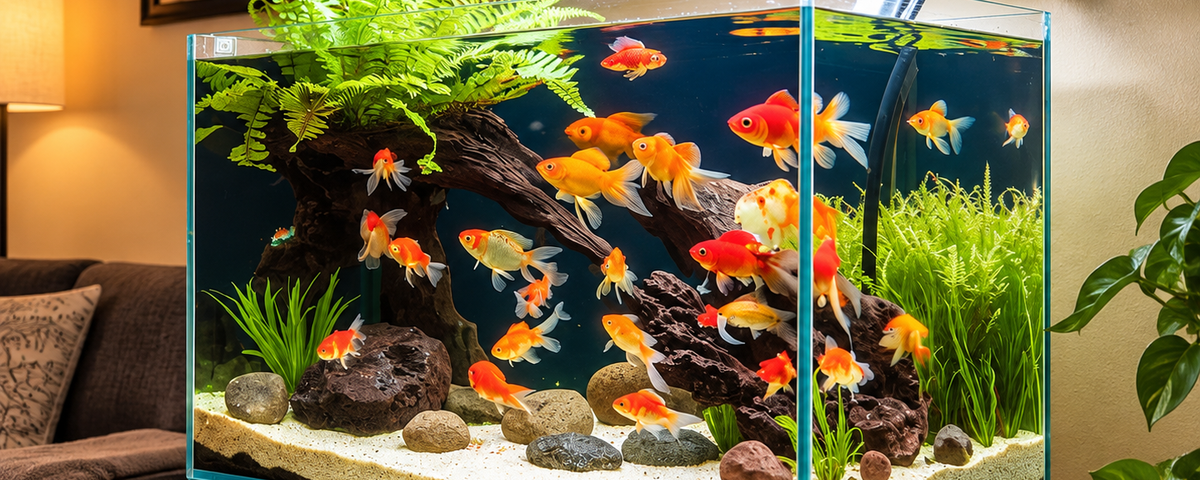
An aquarium looks simple from the outside, water, fish, done. The reality involves an invisible biological process that most first time owners skip entirely, and skipping it is exactly why so many beginner tanks fail within the first few weeks.
Starting Your First Aquarium: A Beginner's Guide for Indian Apartments
By Dr. Brajmadhuri, TruVet Pet Care Clinic, Sector 79, Gurgaon
An aquarium looks simple from the outside, water, fish, done. The reality involves an invisible biological process that most first time owners skip entirely, and skipping it is exactly why so many beginner tanks fail within the first few weeks.
Fish keeping has a genuinely appealing pitch for apartment living, no walks, no litter box, no barking, just a quiet, attractive tank sitting in the corner of a room. The gap between that appealing image and a genuinely healthy, stable aquarium is one specific, invisible process that almost every beginner skips, and skipping it is the single biggest reason first aquariums fail within the first few weeks.
The process most beginners never hear about
Before any fish goes into a tank, the water needs to go through what is called the nitrogen cycle. Fish waste produces ammonia, which is genuinely toxic even in small amounts. Beneficial bacteria that colonise a tank over time convert this ammonia into nitrite, which is still harmful, and a second type of bacteria then converts that nitrite into nitrate, a considerably less toxic compound that gets managed through regular partial water changes. This entire bacterial colony needs time to establish itself, and a completely new tank has none of it yet.
Why skipping this step causes so many beginner failures
Adding fish to a freshly filled tank before this bacterial colony has developed means the fish are essentially swimming in their own toxic waste with nothing to neutralise it. This is often called new tank syndrome, and it explains the frustrating, common experience of a beginner's first fish dying within days or weeks despite seemingly following all the basic setup steps.
How long proper cycling actually takes
Building up this bacterial colony genuinely takes time, generally around four to six weeks when done properly before any fish are introduced. This can be sped up somewhat by seeding a new tank's filter with a small amount of mature filter media from an already established, healthy aquarium, which introduces some of the needed bacteria immediately rather than starting entirely from zero.
Choosing the right tank size as a beginner
It is a common instinct to start small, assuming a smaller tank means less to manage, but larger tanks are actually considerably more forgiving for beginners. A bigger volume of water dilutes waste products and buffers against sudden changes in water chemistry far better than a small tank does, which means a modest ten gallon or larger tank genuinely makes early mistakes less catastrophic than a very small bowl or nano tank would.
What Indian tap water means for your fish choices
This is a genuinely useful, India specific detail most general fish keeping guides do not mention. Municipal tap water in cities including Delhi, and by extension the wider NCR region that includes Gurugram, tends to run hard and alkaline. This actually works in a beginner's favour if the right fish are chosen, since several of the easiest, hardiest beginner species genuinely thrive in harder water without needing special conditioning beyond simple dechlorination.
The most beginner friendly fish for Indian conditions
Livebearers, including platies, mollies, and guppies, are particularly well suited to harder Indian tap water and are widely considered among the hardiest, most forgiving species available. Zebra danios are another excellent choice, genuinely tolerant of the kind of temperature swings that can happen during a power cut, which is a real, practical consideration in many Indian homes. Bettas, harlequin rasboras, and corydoras catfish round out a solid beginner friendly list, each reasonably tolerant and manageable for a first time owner.
Do you actually need a heater in India
This depends genuinely on your specific climate and season rather than being a universal yes or no. For most of the year across much of India, a heater is unnecessary. During North Indian winters specifically, relevant to Gurugram, when indoor room temperatures can drop below the comfortable range for tropical fish, a small heater set to a moderate, stable temperature becomes a worthwhile addition to keep your fish comfortable through the cooler months.
Common mistakes worth avoiding from the start
A handful of mistakes account for most beginner problems, and it is worth naming them clearly:
- Adding fish before the tank has properly cycled, rather than waiting the four to six weeks needed to build a healthy bacterial colony
- Overstocking the tank with too many fish too quickly, rather than adding them gradually over time
- Overfeeding, since uneaten food breaks down and adds directly to the waste the bacterial colony has to process
- Rinsing filter media in chlorinated tap water during cleaning, which kills off the beneficial bacteria that took weeks to establish
- Doing large, complete water changes instead of smaller, partial changes of roughly twenty to twenty five percent, which disrupts water chemistry far less
The TruVet takeaway
A healthy, stable aquarium comes down almost entirely to patience with one invisible biological process that most beginners never hear about until after their first fish have already struggled. Cycling the tank properly before adding fish, choosing genuinely hardy species suited to Indian tap water, and avoiding the handful of common early mistakes above turns fish keeping from a frustrating first experience into a genuinely calm, low maintenance hobby.
TruVet Pet Care Clinic is at Shop No 4-6, opposite Bestech Park View Altura, Sector 79, Naurangpur, Gurugram, Haryana 122051. Dr. Brajmadhuri personally examines every patient, and we are open all seven days from 10am to 8pm for OPD consultation, vaccination, deworming, surgery, and health checkups across a range of pets. WhatsApp us at +91 98710 10355 if you have questions about any pet's health, fish included.
Frequently asked questions.
Can I speed up the cycling process instead of waiting four to six weeks?
Yes, to some extent. Adding mature, already colonised filter media from an established, healthy tank introduces beneficial bacteria immediately, which can meaningfully shorten the wait compared to starting an entirely new tank from scratch.
Is Delhi NCR tap water actually safe for fish once dechlorinated?
Yes, once properly dechlorinated using a standard water conditioner, the naturally hard, alkaline profile of the local tap water actually suits several hardy beginner species very well, particularly livebearers like platies and mollies.
How do I know if my tank has finished cycling?
Water testing kits that measure ammonia, nitrite, and nitrate levels are the reliable way to confirm this. A fully cycled tank shows zero ammonia and nitrite, with nitrate present but at a manageable, controlled level.
Do goldfish really only live a few weeks, as many people assume?
No, this is a persistent myth. Goldfish can genuinely live ten to twenty years or more with proper care in an appropriately sized tank; the short lifespans often reported come from inadequate bowl housing and poor water conditions rather than anything inherent to the fish.
Is a heater really necessary if I live in Gurugram?
Not year round, but during the cooler winter months, when indoor temperatures can drop meaningfully, a small heater helps keep tropical fish species comfortable and healthy.
How often should I actually do water changes once my tank is established?
A partial change of roughly twenty to twenty five percent every one to two weeks is a reasonable standard routine for most established, properly stocked tanks, rather than infrequent complete changes.
Questions for Dr. Brajmadhuri?
Open all 7 days, 10am to 8pm. Walk-in OPD welcome.