 TruVet Pet Care Clinic
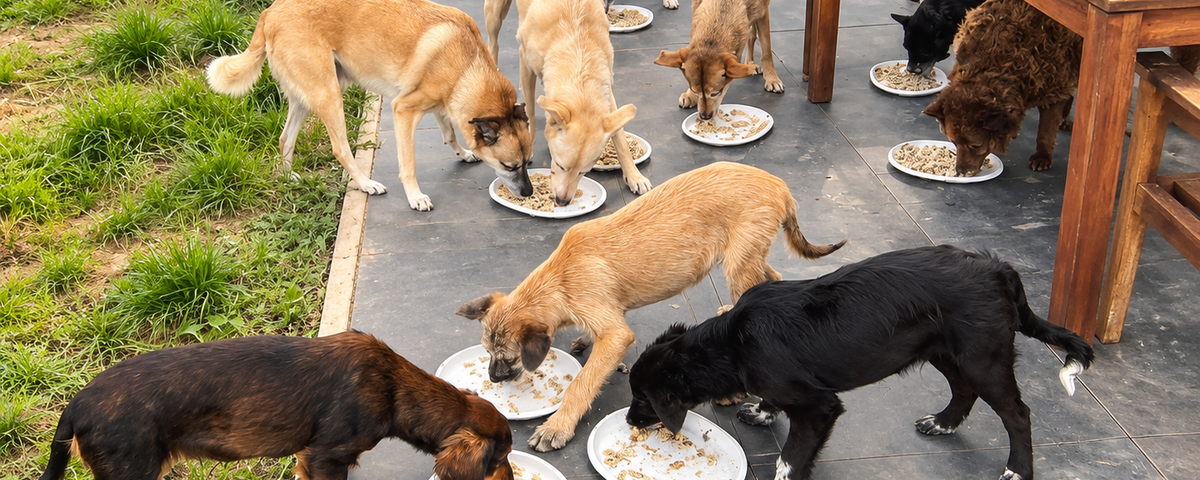
The rules around feeding community dogs in India changed significantly through a series of Supreme Court orders across 2025 and 2026. If you feed strays in or around your Gurugram society, here's what actually applies now.
Feeding Community Dogs in 2026: Your Rights and the New Supreme Court Rules
By Dr. Brajmadhuri, TruVet Pet Care Clinic, Sector 79, Gurgaon
The rules around feeding community dogs in India changed significantly through a series of Supreme Court orders across 2025 and 2026. If you feed strays in or around your Gurugram society, here is what actually applies now.
A lot of genuinely well meaning residents across Gurugram have fed the community dogs in their neighbourhood for years, often without giving much thought to whether there is a formal rule around it. Through a series of Supreme Court orders across late 2025 and into 2026, the legal picture around this has changed in real, practical ways, and it is worth understanding clearly rather than continuing an old habit that may no longer match current rules, or stopping out of confusion when a compassionate, lawful option genuinely still exists.
How this started
The Supreme Court took up this issue after a news report on a tragic case, a young child in Delhi who died following a rabies related incident. Acting on its own initiative in response to that report, the Court began a series of hearings specifically addressing stray dog management across Delhi NCR, and the scope was later expanded nationally.
The core rule that emerged
Following its orders through August and into November 2025, the Court's position settled into a few clear, consistent pieces. Feeding stray dogs in open public spaces, streets, and general public areas is not permitted. Instead, municipal authorities are required to establish specific, clearly marked designated feeding zones within each ward, with the number of zones scaled to the local stray population, and feeding is meant to happen specifically within these designated areas rather than wherever a resident chooses. The Court also directed the creation of a dedicated helpline in each area, allowing residents to report violations or concerns related to stray dog management.
Alongside this, the underlying approach to the dogs themselves largely follows the existing Animal Birth Control framework, meaning dogs picked up from the street are meant to be sterilised, dewormed, and vaccinated before being returned to the same general area they came from, except for dogs confirmed to be rabid or showing genuinely aggressive behaviour.
The November update on institutional areas
A further order in November 2025 added a more specific carve out. Certain institutional areas, schools, hospitals, sports complexes, bus stands and depots, and railway stations among them, are now treated differently. Within these specific premises, stray dogs are meant to be removed entirely and, notably, not returned to the same location afterward, instead being shifted to a designated shelter, a departure from the general return to origin approach that otherwise applies elsewhere.
What this actually means if you feed community dogs near your society
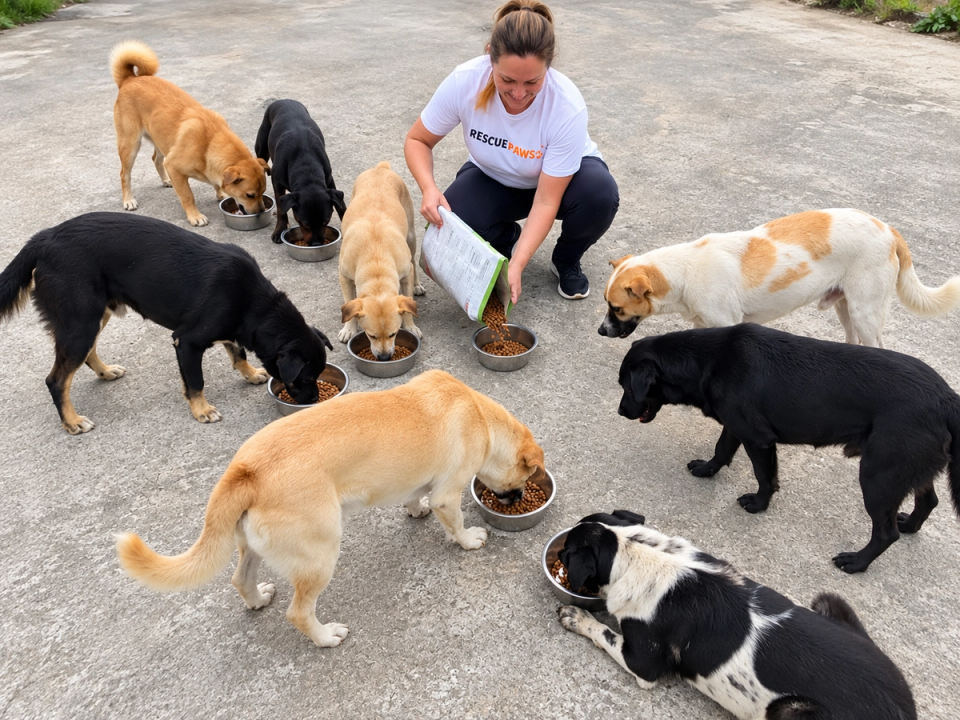
If you have been feeding dogs informally around your Gurugram society, the practical takeaway is that this should now happen specifically within your area's designated feeding zone, rather than at whatever spot has become an informal habit over time. Given how new and locally variable the rollout of these designated zones has been across different cities and municipalities, it is genuinely worth checking directly with your local municipal corporation or your RWA to confirm exactly where your nearest designated zone actually is, since this is not yet uniformly signposted or well known everywhere.
Why this matters beyond simply following a rule
Beyond the legal requirement itself, there is a real practical reason behind concentrating feeding into designated spots. Feeding scattered informally across many different locations tends to draw dogs into a wider area and can contribute to larger, less manageable groups forming in places that were not originally chosen with that in mind, sometimes near building entrances, children's play areas, or walking paths. Concentrating feeding into a specific, intentional location is meant to make dog behaviour more predictable and easier for a community to manage safely, alongside the sterilisation and vaccination work already required under the existing Animal Birth Control rules.
What this does not mean
This set of rules does not mean community dogs must go unfed or should be treated as unwelcome by default. Compassionate care for community dogs remains a lawful, actively supported activity, provided it happens through the proper designated channel rather than informally and unpredictably across a neighbourhood. It also does not mean every dog seen near a school, hospital, or transit hub is automatically removed without any process, the specific institutional area rules apply to a defined list of premises, following the sterilisation and vaccination steps already required more broadly.
A note on how quickly this is still evolving
It is worth being genuinely upfront about this. This is an active, still developing area of Indian law, with the Supreme Court continuing to hear related matters and refine specific details well into 2026. Designated feeding zone rollouts have varied considerably between different cities and municipal bodies, and requirements around compliance timelines and accountability have continued to be clarified through further hearings. If you are feeding community dogs regularly, it is worth checking periodically for updates from your municipal corporation rather than assuming today's understanding will remain unchanged indefinitely.
The TruVet takeaway
If you care for community dogs around your Gurugram society, that compassion remains genuinely valued and lawful, but the specific practicalities have shifted meaningfully through a series of Supreme Court orders across 2025 and 2026. Feeding is now meant to happen within a designated zone specific to your area rather than informally, and it is genuinely worth confirming with your local municipal corporation exactly where that zone is, since staying within the current rules protects both the dogs you care for and your own standing as a responsible, compliant feeder.
TruVet Pet Care Clinic is located at Shop No 4-6, opposite Bestech Park View Altura, Sector 79, Naurangpur, Gurugram, Haryana 122051. Dr. Brajmadhuri personally handles every consultation, and we are open all seven days from 10am to 8pm for OPD consultation, vaccination, deworming, surgery, and health checkups for dogs and cats. WhatsApp us at +91 98710 10355 if you care for community dogs and have questions about their vaccination or general health.
Frequently asked questions.
Can I still feed the dogs in my society's green area the way I always have?
This depends specifically on whether that spot is your area's officially designated feeding zone. If it is not, the current rules direct feeding to happen within the designated zone instead, which is worth confirming directly with your municipal corporation or RWA.
Where do I find out where my nearest designated feeding zone actually is?
Your local municipal corporation is the right place to start, since designated zones are meant to be marked and communicated locally, though the rollout and signage have varied considerably between different areas.
Does this mean stray dogs are being permanently removed from all public areas?
No, the general approach outside specific institutional areas still follows the existing Animal Birth Control framework, meaning dogs are sterilised, vaccinated, and returned to their original area, except for those confirmed rabid or genuinely aggressive.
What counts as an institutional area under the stricter November 2025 rules?
Schools, hospitals, sports complexes, bus stands and depots, and railway stations are the specific categories named, and dogs removed from these particular premises are meant to be relocated to a shelter rather than returned to the same spot.
What should I do if I see someone violating the feeding rules in my area?
The Supreme Court's orders directed the creation of a dedicated helpline in each area specifically for reporting concerns or violations related to stray dog management, which is the appropriate channel to use.
Is this likely to change again soon?
It is genuinely possible, since this remains an active area of ongoing litigation with further hearings continuing into 2026. It is worth checking periodically with your municipal corporation for the latest position rather than assuming today's rules are permanently fixed.
Questions for Dr. Brajmadhuri?
Open all 7 days, 10am to 8pm. Walk-in OPD welcome.