 TruVet Pet Care Clinic
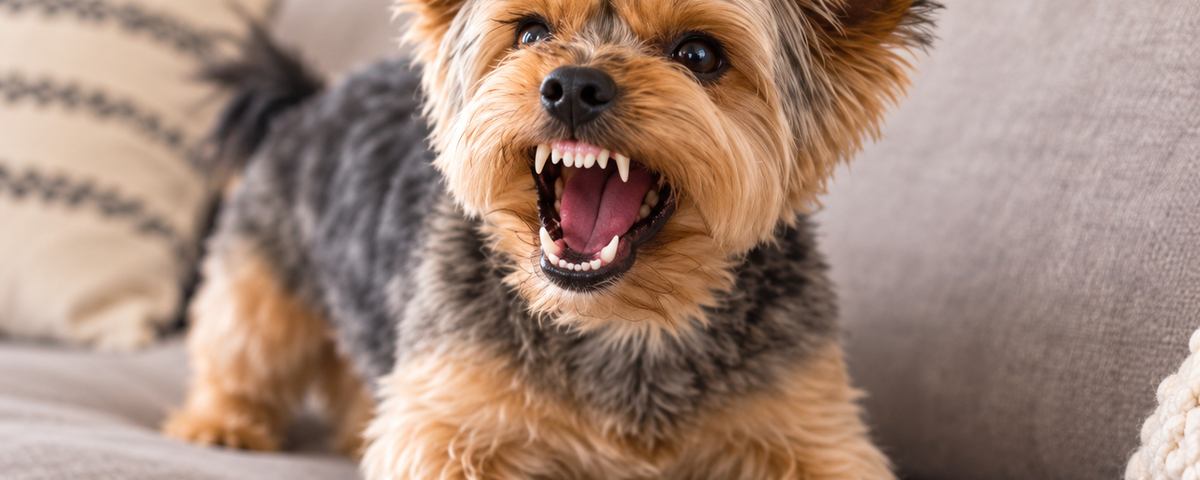
A dog who tenses up, freezes, or growls when you approach his food bowl is not being aggressive for no reason. Here's what resource guarding actually is, and why the most common instinctive response from owners tends to make it worse.
Resource Guarding: Why Your Dog Growls Over Food and Toys, and What Not to Do
By Dr. Brajmadhuri, TruVet Pet Care Clinic, Sector 79, Gurgaon
A dog who tenses up, freezes, or growls when you approach his food bowl is not being aggressive for no reason. Here is what resource guarding actually is, and why the most common instinctive response from owners tends to make it worse.
It is a genuinely unsettling moment for a lot of owners the first time it happens. A dog who is normally relaxed and friendly suddenly stiffens, freezes over his food bowl, or growls softly as you walk past while he is chewing a favourite toy. It is tempting to read this as random aggression or a training failure, but it reflects something considerably more specific, and more manageable, than either of those explanations suggests.
What resource guarding actually is
Resource guarding is a natural, instinctive behaviour rooted in a genuine survival concern, protecting access to something valuable, food, a toy, a resting spot, or even a particular person, from being taken away. This instinct made real sense for a wild ancestor where losing a meal to a rival could genuinely matter to survival, and it persists in domestic dogs today even though the practical stakes of losing a kibble filled bowl are obviously much lower.
Why this happens even in well fed, well loved dogs
A common misconception is that resource guarding only happens in dogs who have experienced genuine scarcity, food insecurity, or past mistreatment. While those experiences can certainly contribute to or intensify the behaviour in some dogs, resource guarding shows up plenty in dogs who have never experienced anything close to real scarcity at all. It reflects an instinct rather than simply a learned response to hardship, which means even a dog with an entirely comfortable, secure life can still show guarding behaviour around specific things he values.
The mistake most owners instinctively make
This is genuinely the most important thing to understand here, since it runs directly against what feels like the obvious response. When a dog growls or stiffens over his food, the instinctive reaction for a lot of owners is to remove the bowl entirely, either to assert authority or simply to avoid an uncomfortable confrontation. Research on canine resource guarding and clinical behavioural experience both point in the same direction, this specific response tends to make guarding worse over time rather than better. From the dog's perspective, a hand reaching in and taking away his food confirms exactly the fear driving the behaviour in the first place, that approach means loss, which reinforces and intensifies the guarding response the next time a hand comes near.
What genuinely helps instead
The more effective approach works in essentially the opposite direction, teaching a dog that a hand or person approaching his food or a valued item predicts something good happening, rather than something being taken away. In practice, this often means occasionally adding something even better to the bowl while he is eating, a small piece of chicken or a favourite treat dropped in as you walk past, rather than ever reaching in to remove anything. Over repeated, consistent experiences like this, a dog gradually learns that a hand approaching his food is a genuinely positive sign rather than a threat, which directly addresses the underlying fear driving the behaviour rather than simply suppressing the visible growl.
Teaching a reliable "drop" or "leave it" separately
Alongside changing how you approach a dog during valuable moments like eating, teaching a solid, positively reinforced "drop it" or "leave it" cue in calm, low stakes situations gives you a genuinely useful tool for moments when you do need an item back, without ever needing to physically wrestle something away from a guarding dog. This kind of training works best built up gradually with low value items first, well before it is ever needed with something your dog considers genuinely important.
Recognising the early warning signs
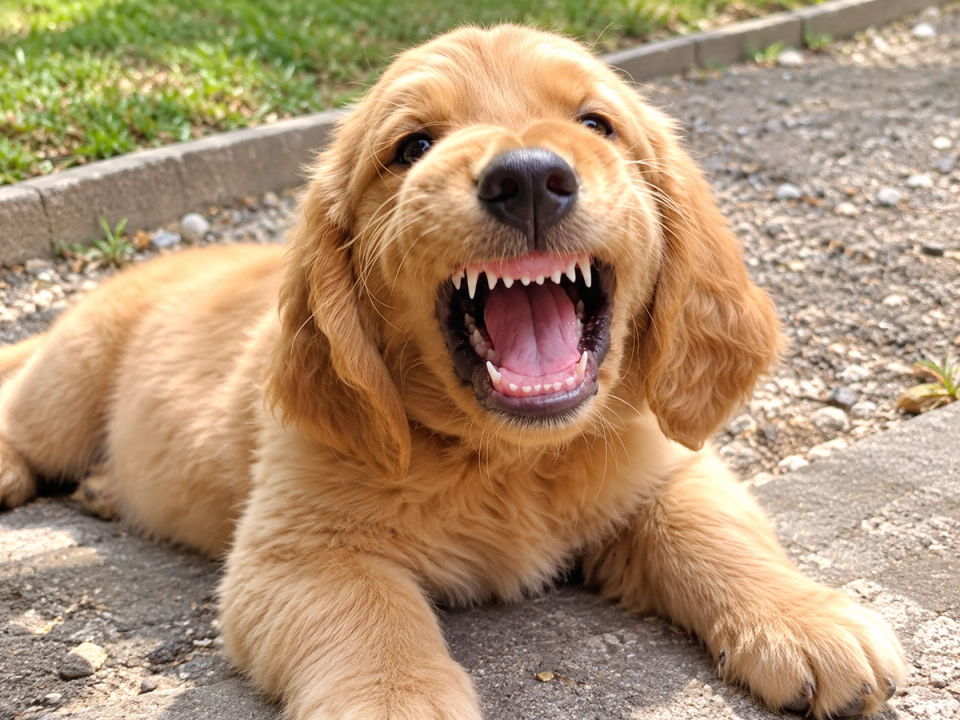
Resource guarding does not usually start with a bite. It typically escalates through a fairly recognisable sequence, starting with subtler signs like a stiffened body, a hard stare, eating faster than usual, or a low, barely audible growl, before potentially escalating further if these earlier signals are consistently ignored or punished rather than addressed. Learning to recognise and respond thoughtfully to these earlier, subtler signs, rather than waiting for a more obvious growl or snap, makes the whole situation considerably easier to manage.
When to bring in professional help
Mild resource guarding around food can often improve with the consistent, positive approach described above, but guarding that involves a genuine bite, guarding directed at children in the household, or guarding that seems to be escalating despite consistent effort deserves professional support from a qualified trainer or behaviourist, ideally one experienced specifically with resource guarding, rather than being managed alone. Given the genuine safety stakes involved, particularly in households with children, this is not an area worth guessing through without support if things are not clearly improving.
The TruVet takeaway
Resource guarding reflects a genuine, natural survival instinct rather than random aggression or a training failure, and understanding this changes how it should actually be addressed. The instinctive response of taking an item away tends to confirm a guarding dog's underlying fear and make things worse, while consistently teaching a dog that a hand approaching his valued items predicts something good happening is what genuinely helps resolve the behaviour over time. If guarding in your own dog feels beyond what you can confidently manage alone, professional support is always a reasonable, worthwhile step.
TruVet Pet Care Clinic is at Shop No 4-6, opposite Bestech Park View Altura, Sector 79, Naurangpur, Gurugram, Haryana 122051. Dr. Brajmadhuri personally handles every consultation, and we are open all seven days from 10am to 8pm for OPD consultation, vaccination, deworming, surgery, and health checkups for dogs and cats. WhatsApp us at +91 98710 10355 if you would like guidance on managing resource guarding in your own dog.
Frequently asked questions.
Is resource guarding a sign that my dog was mistreated before I got him?
Not necessarily. While past experiences with genuine scarcity can contribute to or intensify guarding in some dogs, it is a natural instinct that shows up in plenty of dogs who have never experienced any real hardship at all.
My dog only guards one specific toy, not his food. Is that normal?
Yes, resource guarding can be quite specific to particular items a dog values highly rather than applying to everything, and this pattern is genuinely common.
Should I just take the item away to show my dog I am in charge?
No, this is generally the least effective response, and it tends to reinforce the fear driving the guarding behaviour rather than resolving it, making the behaviour more likely to continue or worsen.
Is it safe to work on resource guarding myself, or should I always get professional help?
Mild guarding around food can often be addressed at home using the consistent, positive approach described here, but guarding involving an actual bite, guarding around children, or guarding that seems to be worsening deserves professional support given the genuine safety considerations involved.
Can puppies show resource guarding, or does it only develop in adult dogs?
Puppies can absolutely show early signs of resource guarding, and addressing it early with a positive, consistent approach tends to be easier than waiting until the behaviour is more established in an adult dog.
My dog guards his food bowl but not treats handed directly to him. Why the difference?
This is a common pattern, since a bowl left unattended can feel more vulnerable to loss than a treat already secured in hand, and dogs can genuinely guard differently across different contexts and types of valued items.
Questions for Dr. Brajmadhuri?
Open all 7 days, 10am to 8pm. Walk-in OPD welcome.