 TruVet Pet Care Clinic
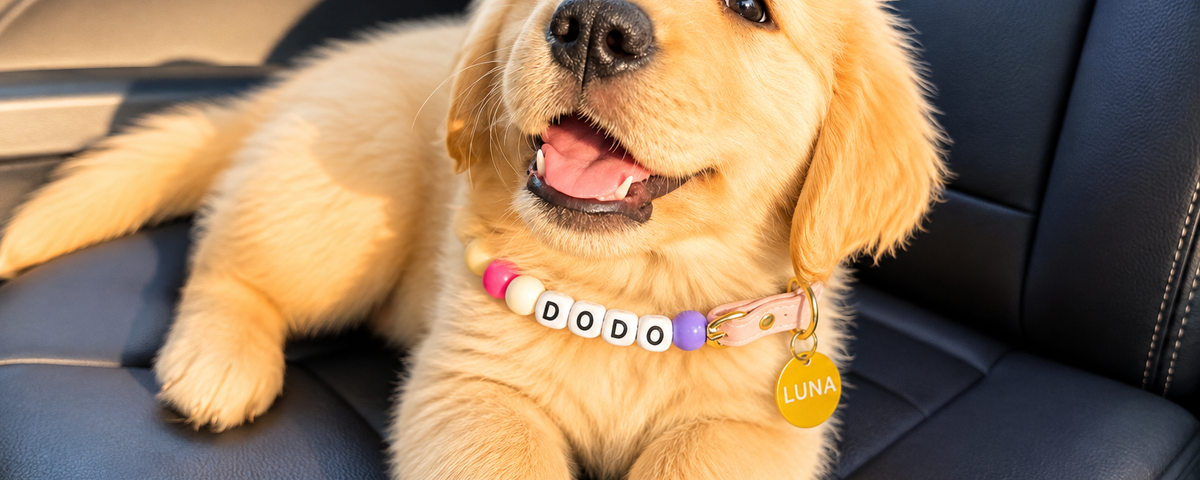
That everyday flat collar your dog wears on every walk may be doing more harm than you realise, especially if he pulls. Here's what recent veterinary research actually found about collars, breathing, and eye pressure.
Expert Explains Why Traditional Dog Collars Can Restrict Your Dog's Breathing
By Dr. Brajmadhuri, TruVet Pet Care Clinic, Sector 79, Gurgaon
That everyday flat collar your dog wears on every walk may be doing more harm than you realise, especially if he pulls. Here is what recent veterinary research actually found about collars, breathing, and eye pressure.
A dog straining against his leash, collar pulled taut against his throat, is such a familiar sight on any evening walk that most owners never think twice about it. New veterinary research suggests this is worth thinking about more carefully, since the pressure a collar puts directly on a dog's neck affects more than just comfort.
What actually happens when a dog pulls against a collar
A collar concentrates all of the force from a pulling dog onto a narrow band around the neck, pressing directly against the trachea, the blood vessels running through the neck, and the cervical spine. A 2025 study published in Veterinary Medicine and Science measured this directly and found that even the lowest collar pressure recorded in the study was significantly higher than the pressure known to cause tissue damage in humans. The same research noted that collars produce higher contact pressure than an ill fitting saddle does on a horse, a comparison that puts the numbers into fairly stark perspective.
The eye pressure connection most owners have never heard of
This is genuinely the most surprising part of the research for most people. Because the trachea, jugular veins, and other neck structures all sit close together, pressure from a collar does not stay localised to the throat. The same 2025 study found that wearing a collar significantly increased intraocular pressure, the pressure inside a dog's eyes, both simply from standing still with a collar on and, more significantly, during exercise. Wearing a harness instead did not produce this same increase under either condition.
This matters because elevated intraocular pressure is the defining risk factor for glaucoma, a serious and potentially irreversible eye condition. For a dog who already has any degree of eye vulnerability, thin corneas, early glaucoma, or a predisposition to ocular pressure issues, a collar becomes a genuine daily risk factor rather than a neutral piece of everyday equipment.
Why flat faced breeds are affected even more
The same research specifically tested brachycephalic breeds, dogs like Pugs, Shih Tzus, and Bulldogs, alongside more typically shaped dogs. It found that simply wearing a collar while standing still already raised intraocular pressure in the flat faced dogs, something that did not happen in the more typically shaped dogs under the same still condition. Given how prominently positioned and structurally vulnerable a flat faced dog's eyes already are, this adds one more genuine reason for these breeds specifically to avoid collar based restraint.
What about the breathing side specifically
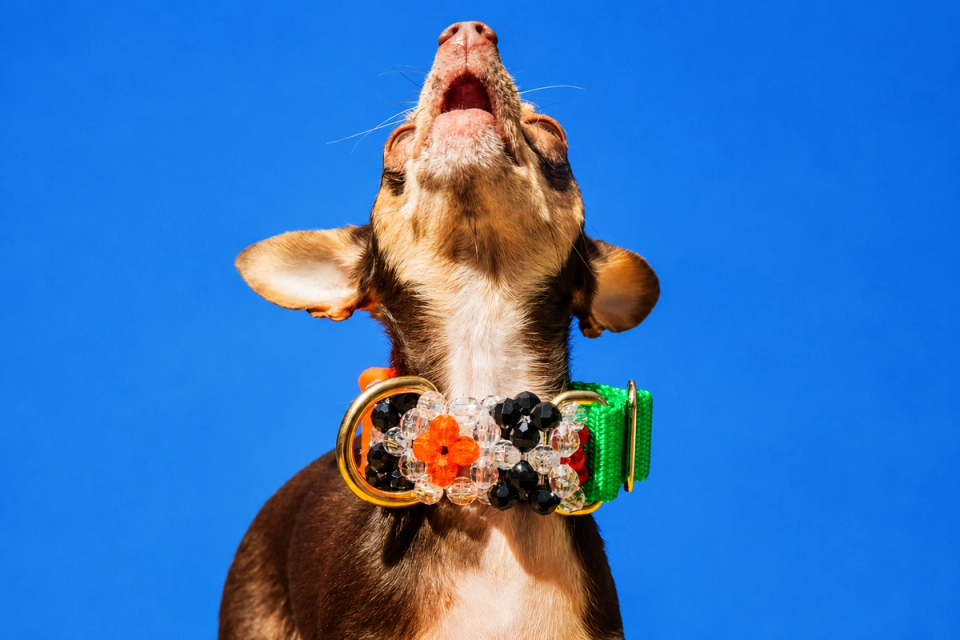
Beyond the eye pressure findings, collars have long been associated with tracheal issues, particularly in small and toy breeds already prone to a condition called tracheal collapse. A rolled or thin collar concentrates pressure into an even narrower band than a flat one, and puppies in particular, who tend to pull hard as they explore the world, are especially vulnerable to this kind of repeated pressure on a still developing airway. Over time, this repeated pressure and pulling can contribute to a chronic, honking cough or genuine difficulty breathing in susceptible dogs.
So should every dog switch to a harness
For most dogs, particularly anyone who pulls at all on the leash, has an existing eye condition, is a flat faced breed, or is a small or toy breed prone to tracheal issues, a properly fitted harness is genuinely the safer everyday choice. A collar still has a real place for holding an ID tag, and for a calm, well trained dog walking on a fully loose leash, the risk is considerably lower. A reasonable approach many vets recommend is keeping a collar on for identification purposes while doing the actual walking on a harness, giving you the practical benefit of both.
When choosing a harness, a well fitted design that distributes pressure across the chest and shoulders rather than concentrating it in one area is what actually delivers the safety benefit. For strong pullers specifically, a front clip or dual clip harness can help redirect a dog's forward momentum sideways during a pull, which also tends to make loose leash training considerably easier over time.
The TruVet takeaway
The everyday flat collar is not inherently dangerous for every dog in every situation, but for a dog who pulls, has any degree of eye vulnerability, belongs to a flat faced breed, or is a small breed prone to tracheal issues, the pressure a collar puts on the neck carries a genuine, research backed risk to both breathing comfort and eye health. Switching the actual walking equipment to a well fitted harness, while keeping a collar on simply for identification, is a small change that meaningfully reduces this risk.
TruVet Pet Care Clinic is at Shop No 4-6, opposite Bestech Park View Altura, Sector 79, Naurangpur, Gurugram, Haryana 122051, and Dr. Brajmadhuri personally examines every patient. We are open all seven days from 10am to 8pm for OPD consultation, vaccination, deworming, surgery, and health checkups for dogs and cats. WhatsApp us at +91 98710 10355 if you would like guidance on the right harness for your dog specifically.
Frequently asked questions.
My dog walks calmly and never pulls. Does the collar risk still apply to him?
The risk is considerably lower for a calm dog on a genuinely loose leash, since the pressure findings are specifically tied to tension and pulling force. That said, a harness remains the lower risk choice overall, particularly for flat faced or small breeds regardless of how calmly they walk.
Is a harness safe for every dog, or does it have downsides too?
A well fitted harness is generally considered the safer choice for most dogs. A poorly fitted one can cause its own rubbing or discomfort, so proper fit matters, and it is worth having your dog's harness checked to make sure it sits correctly rather than assuming any harness will do.
My dog already has glaucoma. Should I switch him to a harness immediately?
Yes, this is exactly the situation the research points to most directly. Dogs with existing eye conditions where elevated pressure could be harmful should be walked on a harness rather than a collar, particularly during exercise or any pulling.
Can I still use a collar for my dog's ID tag if I switch to a harness for walks?
Yes, this is a genuinely reasonable middle ground many vets recommend, keeping a collar on for identification while doing the actual walking and leash attachment through a harness instead.
Are rolled collars worse than flat collars?
Yes, generally. A rolled collar's narrower profile concentrates pressure into a smaller area than a flat, wider collar does, which is part of why flat collars are usually recommended over rolled ones when a collar is used at all.
How do I know if my dog's harness is causing tracheal or breathing issues?
A persistent honking cough, gagging, or noisy breathing after walks are all signs worth mentioning at a checkup, since they can point toward tracheal irritation that deserves a proper look regardless of what equipment is being used.
Questions for Dr. Brajmadhuri?
Open all 7 days, 10am to 8pm. Walk-in OPD welcome.