 TruVet Pet Care Clinic
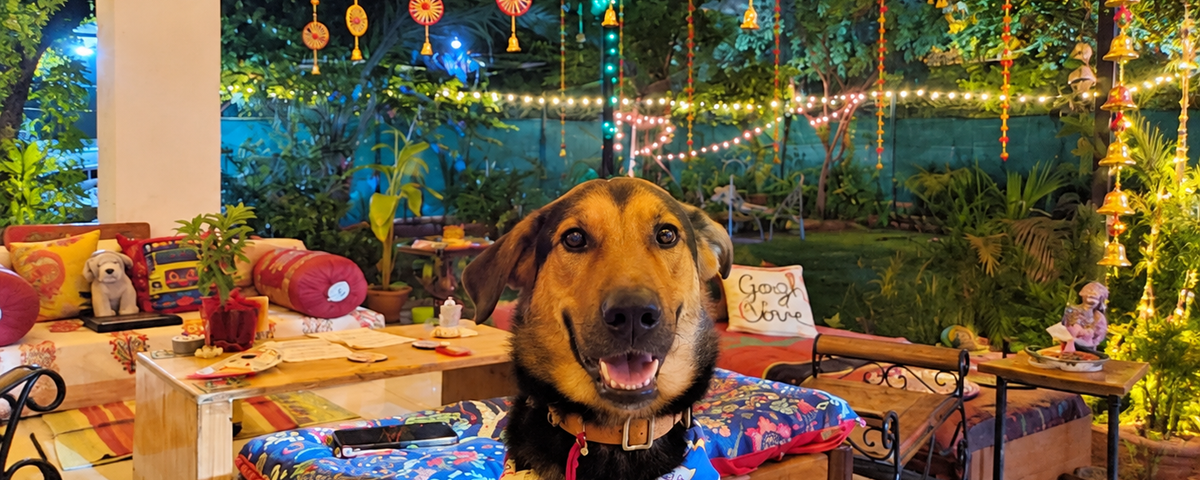
That shaking, panting, desperately hiding dog on Diwali night is not being dramatic. Noise phobia is a genuine, recognised anxiety condition, and a little preparation before the festival makes a real, measurable difference.
Diwali and Your Terrified Pet: A Vet's Survival Guide to Firework Phobia
By Dr. Brajmadhuri, TruVet Pet Care Clinic, Sector 79, Gurgaon
That shaking, panting, desperately hiding dog on Diwali night is not being dramatic. Noise phobia is a genuine, recognised anxiety condition, and a little preparation before the festival makes a real, measurable difference.
Diwali is one of the most beautiful festivals of the year, and for a huge number of pets across Gurugram, one of the most genuinely terrifying nights too. A dog who is completely calm and confident every other night of the year can become a shaking, panting, desperately hiding animal the moment the first firecrackers start, and this is not exaggeration or drama on the pet's part. Noise phobia is a real, recognised anxiety condition, and understanding it properly changes how you can actually help.
Why fireworks specifically trigger such a strong reaction
Dogs and cats both hear a considerably wider range of frequencies and are more sensitive to loud, sudden sound than humans are, which means a firework that feels loud and startling to a person can be genuinely overwhelming for a pet's more sensitive hearing. Combined with the sudden, unpredictable timing and the flashes of light that often accompany the noise, fireworks create a combination of sensory input that is specifically well suited to triggering a genuine fear response, unpredictable, intense, and impossible for a pet to make sense of or prepare for in the moment.
This is a real anxiety condition, not simple dramatics
It is worth being direct about this, since a lot of owners still treat firework fear as an overreaction rather than genuine distress. Noise phobia is recognised as a real behavioural and physiological anxiety response, not something a pet is choosing to perform for attention. The panting, drooling, trembling, attempts to hide or escape, and sometimes genuinely frantic behaviour seen during fireworks reflect real physiological stress, and dismissing it as overreaction tends to lead owners to under-prepare for a night that genuinely calls for real preparation.
Why every Diwali brings a predictable spike in lost and injured pets
This pattern shows up consistently every single year. Panicked pets, dogs especially, frequently attempt to bolt during fireworks, sometimes breaking through fences, slipping collars, or fleeing through a door left open even briefly, and shelters and rescue organisations across India consistently report a genuine surge in lost and injured animals during the festival period specifically tied to this pattern. Preparing properly in advance meaningfully reduces this very real, very predictable risk.
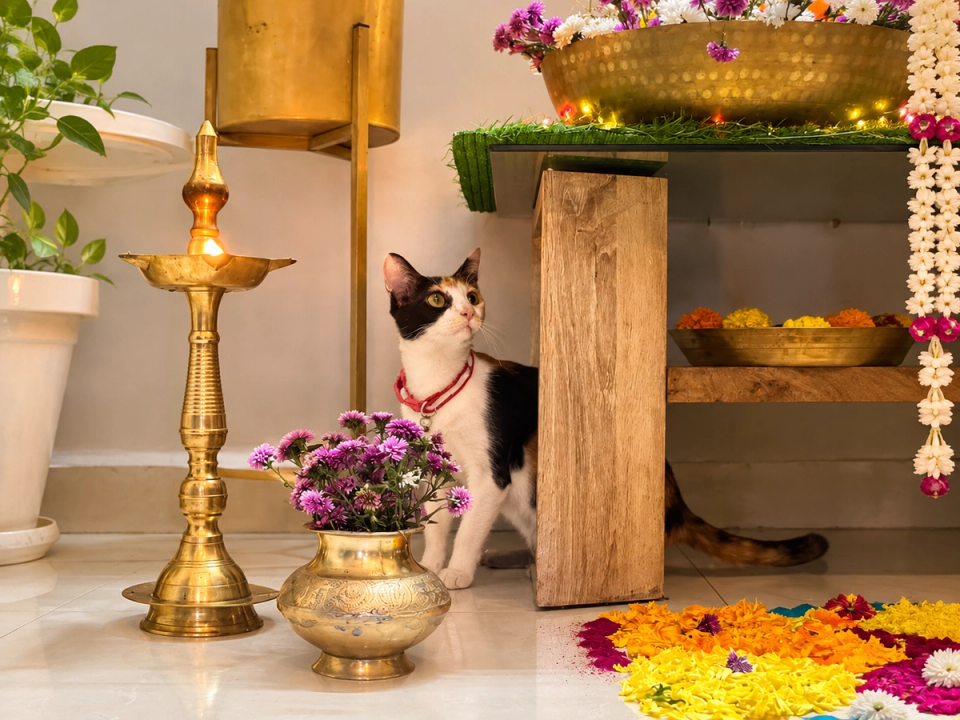
Preparing before Diwali, not on the night itself
The single biggest mistake most owners make is starting to think about this only once the fireworks have already begun. Effective preparation genuinely starts days, ideally weeks, ahead of the festival itself. If your pet has a known, established fear from previous years, gradual desensitisation using recordings of firework sounds, starting at a very low, barely noticeable volume and increasing extremely slowly over repeated sessions well before Diwali, can genuinely help reduce the intensity of the reaction when the real thing happens. This kind of gradual exposure needs to start well in advance to be effective, not the week before the festival.
Setting up a genuine safe space in your home
Every pet benefits from having a specific, prepared safe space available well before the fireworks actually start, not improvised in a panic once the noise begins. This is ideally an interior room, away from windows, with familiar bedding, and set up with the door secured so a panicked pet cannot bolt from it. Playing steady background sound, a fan, a television, or calm music at a reasonable volume can help mask some of the sharper, more startling firework noise, and closing curtains helps reduce the light flashes that add to the overall sensory overload.
What to actually do on the night itself
Keep your pet indoors well before fireworks are likely to start, rather than waiting until they have already begun, since a startled pet outdoors during the first loud burst is at genuinely serious risk of bolting. Ensure your pet is wearing a properly fitted collar with current, correct identification tags, and that any doors or windows a frightened pet could escape through are genuinely secure throughout the evening. Stay present and calm yourself, since pets pick up on their owner's own emotional state, and a calm, steady presence genuinely helps more than either anxious hovering or a dismissive, business as usual attitude.
When home preparation is not enough
For pets with severe, established firework phobia, environmental preparation and desensitisation alone are sometimes not enough on their own, and this is genuinely worth discussing directly with your vet ahead of the festival rather than during an already distressing night. Anti-anxiety medication, used specifically for the festival period under proper veterinary guidance, can make a real, meaningful difference for pets whose fear is severe enough that home based strategies alone are not providing adequate relief.
The TruVet takeaway
Firework fear in pets is a genuine, well recognised anxiety response, not an overreaction to dismiss or simply endure every year. The single most useful thing you can do is start preparing well before Diwali itself, a properly set up safe space, gradual sound desensitisation if your pet has a known fear, secure identification, and a calm, steady presence on the night. For pets with genuinely severe fear, a conversation with your vet about additional support well ahead of the festival is a worthwhile, compassionate step.
TruVet Pet Care Clinic is at Shop No 4-6, opposite Bestech Park View Altura, Sector 79, Naurangpur, Gurugram, Haryana 122051. Dr. Brajmadhuri personally examines every patient, and we are open all seven days from 10am to 8pm for OPD consultation, vaccination, deworming, surgery, and health checkups for dogs and cats. WhatsApp us at +91 98710 10355 well ahead of Diwali if your pet has a known firework fear and you would like to discuss support options.
Frequently asked questions.
My dog has never shown fear of loud noises before. Could this year still be different?
It is possible, since fear responses can develop or intensify over time even in a dog who previously seemed unbothered, so it is worth having a basic safe space prepared regardless of your pet's past reaction.
Is it too late to help my pet if Diwali is only a few days away?
Full gradual desensitisation genuinely works best starting weeks in advance, but even a few days is enough time to prepare a proper safe space, secure identification, and have a conversation with your vet about medication if your pet's fear has historically been severe.
Should I comfort my pet during fireworks, or will that reinforce the fear?
Calm, steady comfort does not reinforce fear in any meaningful way, and current understanding supports providing genuine comfort and reassurance to a frightened pet rather than ignoring the distress out of concern about rewarding it.
Are cats affected by firework fear the same way dogs are?
Yes, cats can absolutely experience genuine firework related fear too, often expressed through hiding, and the same basic preparation, a secure safe space and reducing sensory overload, genuinely helps cats as well.
What is the single most important thing to do if I can only manage one preparation step?
Ensuring your pet cannot escape or bolt, through secure doors, windows, and correct identification, is arguably the single most important step, since a panicked, escaped pet during fireworks is a genuinely serious, common risk every Diwali.
Can medication for firework anxiety be used just for this one festival period?
Yes, anti-anxiety medication for noise phobia is often used specifically around known high stress periods like Diwali, rather than as an ongoing daily medication, which is exactly the kind of plan worth discussing directly with your vet ahead of time.
Questions for Dr. Brajmadhuri?
Open all 7 days, 10am to 8pm. Walk-in OPD welcome.