 TruVet Pet Care Clinic
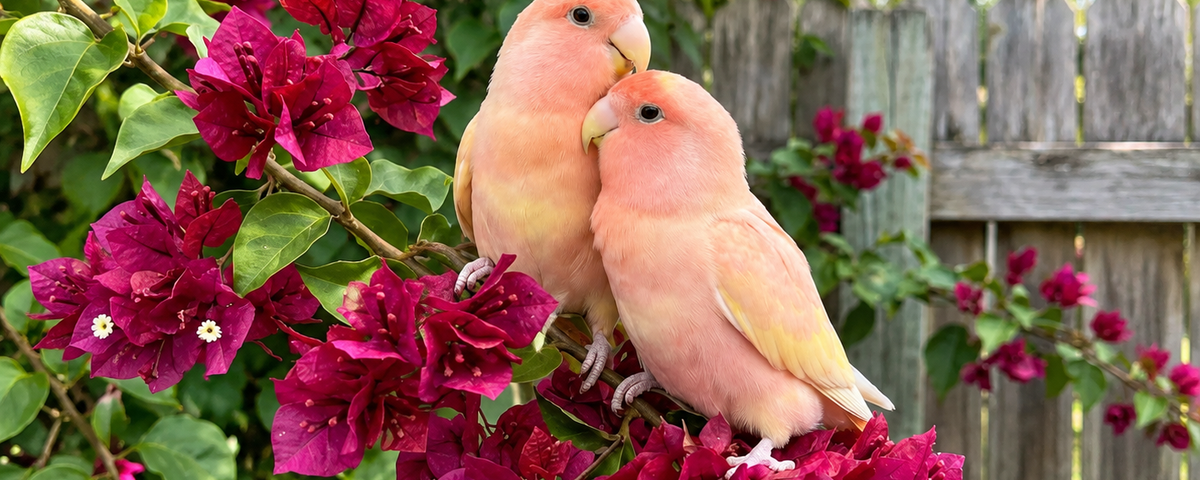
All three look like a similarly easy, colourful starter bird at the pet shop. Their actual noise levels, lifespans, and social needs are genuinely different. Here's what a first time owner in India should actually know before choosing between them.
Budgies, Cockatiels & Lovebirds: A First-Time Bird Owner's Guide for India
By Dr. Brajmadhuri, TruVet Pet Care Clinic, Sector 79, Gurgaon
All three look like a similarly easy, colourful starter bird at the pet shop. Their actual noise levels, lifespans, and social needs are genuinely different. Here is what a first time owner in India should actually know before choosing between them.
Walk into almost any pet store in Gurugram, and you will find the same three birds sitting near the entrance: budgies, cockatiels, and lovebirds, all marketed with roughly the same pitch: colourful, easy, great for beginners. What that pitch leaves out is that these three birds are genuinely different animals with different noise levels, lifespans, and emotional needs, and picking based on looks alone is exactly how a lot of first-time owners end up caught off guard.
Budgies: the most genuinely beginner-friendly of the three
Budgerigars, usually just called budgies, are India's most popular pet bird, and there is a real reason for that beyond simple popularity. They are small, genuinely quiet by parrot standards, offering a steady chatter of soft chirps rather than anything loud or disruptive, which makes them a realistic choice even in a shared apartment. Budgies typically live five to ten years, a real commitment but a considerably shorter one than the other two birds here, and they are often surprisingly good at learning to mimic words and short phrases. They are social and engaging, though generally less interested in being physically cuddled and handled than a cockatiel is, expressing affection more through chatter and activity than through wanting to be held.
Cockatiels: affectionate, but a much longer commitment
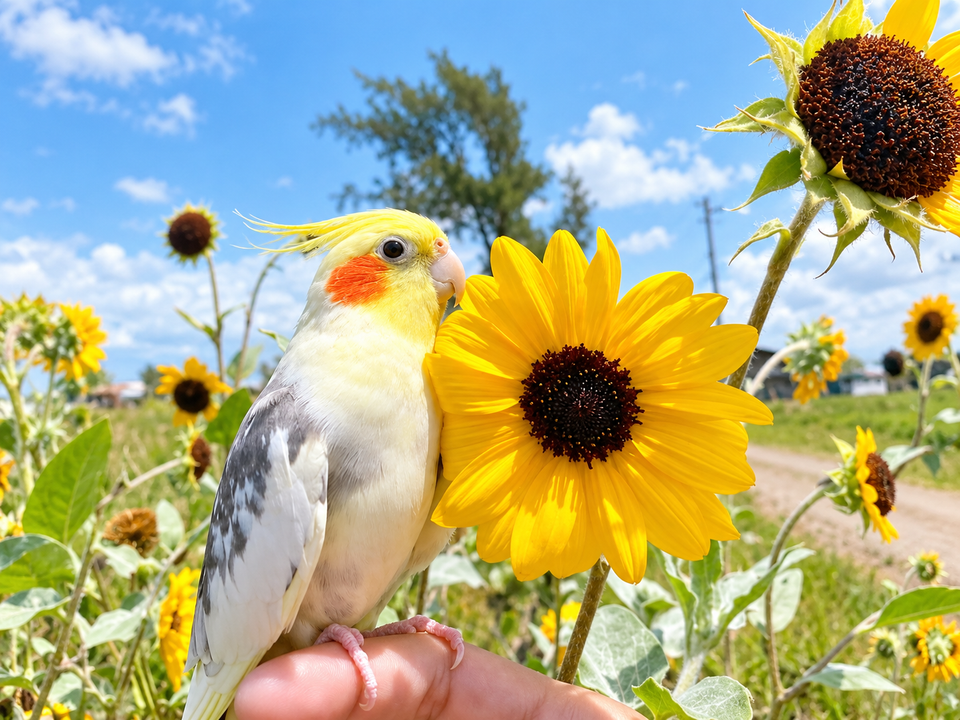
Cockatiels are often the bird people fall for specifically because of how genuinely affectionate they can be; many enjoy having their crest and cheeks scratched and will lean into a hand offered for attention. This is a real, meaningful difference from a budgie, and it is part of why cockatiels are so popular. What gets underestimated far more often is the actual scale of commitment involved. Cockatiels commonly live fifteen to twenty years or more, which means a cockatiel bought today could plausibly still be part of your household two decades from now. They are also genuinely louder than budgies, with sharp contact calls and whistles, particularly when they cannot see their owner or are seeking attention, and males in particular can learn to whistle fairly complex tunes. Cockatiels have high social needs and do not do well left alone for long stretches, and a bored, understimulated cockatiel is considerably more prone to feather plucking, a stress related behaviour that can become a genuinely difficult habit to reverse once established.
Lovebirds: small, bold, and genuinely more complicated socially
Lovebirds pack a surprising amount of personality into a small frame, playful, curious, and often quite bold for their size. They typically live up to around fifteen years, another real long term commitment. The detail most first time owners do not expect is how socially specific lovebirds actually are. They form intensely close pair bonds, and a lovebird kept entirely alone genuinely needs substantial daily attention from his owner to stay emotionally balanced, considerably more than a budgie kept solo typically needs. Lovebirds can also be surprisingly aggressive toward other bird species, which means they generally should not be housed alongside a budgie, a finch, or any other type of bird, even though budgies themselves tend to get along reasonably well with other calm species.
The legal question most buyers never think to ask
This is genuinely worth knowing before you buy any bird in India, and it catches out a meaningful number of well intentioned owners. Budgies, cockatiels, and lovebirds are all exotic species, meaning none of them are native to India, and this is exactly why they are legal to keep as pets here. The confusion tends to happen with a different, far more commonly seen bird. The bright green parakeet many people casually assume is a normal pet bird, sold or kept informally in some households, the Rose-ringed Parakeet, is actually a native Indian species protected under the Wildlife Protection Act, and keeping one as a pet without proper breeding certification is illegal, carrying real penalties including potential imprisonment. If you are choosing between the three exotic species covered in this article, you are on legally solid ground, but it is worth knowing this distinction clearly, since it is one of the more common points of confusion in Indian pet bird ownership.
A safety detail almost no first time owner is warned about
Birds have an extraordinarily sensitive respiratory system, considerably more delicate than a dog or cat's, and this has one specific, genuinely important practical consequence for any bird owning household. Non stick cookware, the kind coated with PTFE, releases fumes when overheated that are essentially harmless to humans but can be rapidly fatal to birds, even in another room of the same home. This is worth knowing before bringing any bird home, not after, since it is such an easy, invisible risk to miss entirely.
What proper care actually looks like across all three
Regardless of which species you choose, a few things hold true across the board:
- A cage large enough for your bird to fully extend and flap his wings without touching the sides, not simply a cage that looks appropriately sized on a shelf
- A diet built around a proper seed and pellet mix, with fresh vegetables making up a meaningful portion, treats kept to roughly five percent of the diet, and dark leafy greens or fruit making up a further ten to thirty percent
- Daily social interaction and mental stimulation, through toys, training, or direct handling, since boredom is a genuine driver of feather plucking and other stress behaviours across all three species
- A bird proofed room free of non stick cookware fumes, ceiling fans left running unsupervised, and other easily overlooked household hazards
- Regular veterinary checkups, since birds are naturally skilled at hiding illness, which means subtle changes in droppings, appetite, or activity level deserve prompt attention rather than a wait and see approach
Choosing the right one for your household
If noise and a shorter, more manageable commitment matter most, a budgie is genuinely the most realistic starting point. If you want a deeply affectionate, cuddly companion and are prepared for a fifteen to twenty year commitment along with real daily social investment, a cockatiel is likely the better fit. If you are drawn to a bold, small parrot and can commit to either a pair or genuinely substantial daily attention for a solo bird, a lovebird can be a wonderful, if socially demanding, companion.
The TruVet takeaway
Budgies, cockatiels, and lovebirds are often marketed as roughly interchangeable easy starter birds, but they are genuinely different animals once you look past the pet shop pitch, different in noise, in lifespan, and in exactly how much social investment each one needs from you. All three are legal, exotic species in India, unlike the native parakeet many people mistakenly assume is a casual pet bird, and matching the right species to your actual household and daily routine, rather than choosing on colour alone, is what leads to a genuinely happy bird and owner both.
TruVet Pet Care Clinic is at Shop No 4-6, opposite Bestech Park View Altura, Sector 79, Naurangpur, Gurugram, Haryana 122051. Dr. Brajmadhuri personally examines every patient, and we are open all seven days from 10am to 8pm for OPD consultation, vaccination, deworming, surgery, and health checkups for a range of pets, birds included. WhatsApp us at +91 98710 10355 if you have questions about choosing or caring for a pet bird.
Frequently asked questions.
Is it illegal to keep the green parakeets commonly seen around Indian neighbourhoods?
Yes, if you mean the Rose-ringed Parakeet specifically, the wild native species commonly seen in Indian cities. It is protected under the Wildlife Protection Act, and keeping one as a pet without proper certified breeding documentation is illegal, unlike budgies, cockatiels, and lovebirds, which are all exotic species and legal to keep.
Which of the three is genuinely the quietest for an apartment?
Budgies are generally the quietest of the three, offering a steady, soft chatter rather than the sharper contact calls and whistles more typical of cockatiels, or the persistent vocalisations lovebirds can produce.
Can I keep a budgie and a lovebird together?
This is generally not recommended. Lovebirds can be surprisingly aggressive toward other bird species, including budgies, which means mixed species housing carries a real risk of stress or injury to the smaller or more docile bird.
Do cockatiels really need a companion, or is one enough?
A single cockatiel can do well, but only with genuinely substantial daily interaction and attention from you, since they have high social needs and do not do well left alone for long periods without engagement.
Is it true that cooking fumes can actually harm my bird?
Yes, genuinely. Fumes from overheated non stick, PTFE coated cookware are essentially harmless to people but can be rapidly fatal to birds, even from another room, which is worth knowing and planning around before bringing a bird into your home.
How do I know if my bird is bored or stressed rather than just quiet?
Feather plucking, unusual repetitive behaviours, or a sudden change in vocalisation pattern are all worth taking seriously as possible signs of stress or boredom, and are worth mentioning at a checkup if they persist.
Questions for Dr. Brajmadhuri?
Open all 7 days, 10am to 8pm. Walk-in OPD welcome.