 TruVet Pet Care Clinic
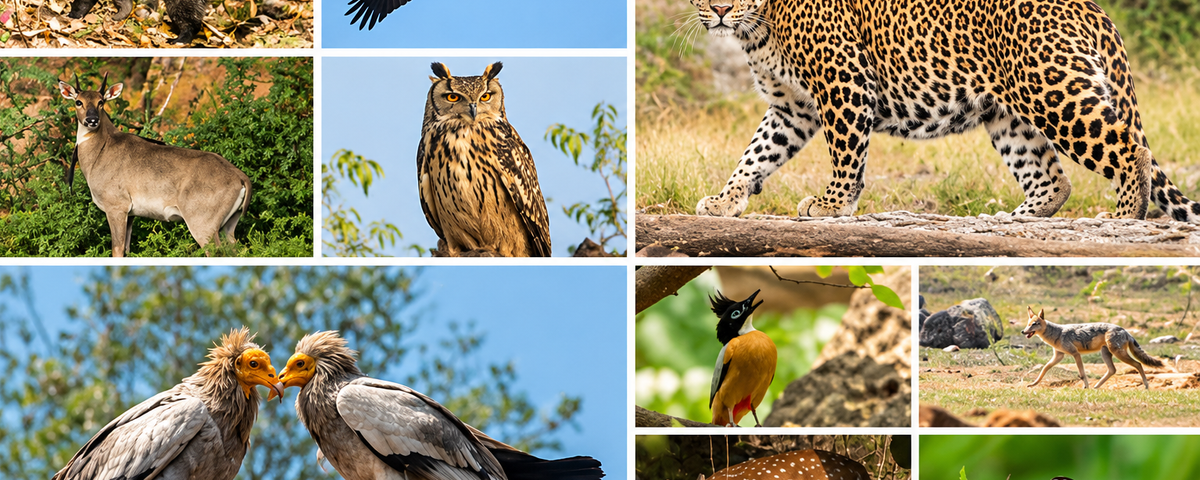
A short drive from Sector 79, the Aravalli hills host leopards, nilgai, and golden jackals living genuinely close to one of India's busiest cities. Here's what that actually means for anyone walking a dog near the ridge.
Leopards, Nilgai and Jackals on Gurugram's Doorstep: Living Beside Aravalli Wildlife
By Dr. Brajmadhuri, TruVet Pet Care Clinic, Sector 79, Gurgaon
A short drive from Sector 79, the Aravalli hills host leopards, nilgai, and golden jackals living genuinely close to one of India's busiest cities. Here is what that actually means for anyone walking a dog near the ridge.
It genuinely surprises a lot of newer Gurugram residents just how much wildlife lives within easy reach of the city's densest, most developed sectors. The Aravalli hills bordering Gurugram, Faridabad, and South Delhi host a meaningfully diverse mammal population, leopards, nilgai, golden jackals, and several other species among them, living considerably closer to daily urban life than most people driving past on the highway would ever guess.
What is actually out there
A detailed survey covering a two hundred square kilometre area across the Gurugram Aravallis, Mangar Bani, the Faridabad Aravallis, and the Asola Bhatti Wildlife Sanctuary documented fifteen mammal species in this landscape, including the golden jackal, nilgai, jungle cat, Indian fox, and honey badger, alongside the more elusive leopard, confirmed through indirect signs like pugmarks and scat given how genuinely difficult the species is to directly observe. This is a considerably richer, more active wildlife population than most residents assume exists this close to a major metropolitan area.
Where you are actually most likely to encounter it
The Aravalli Biodiversity Park, a genuinely accessible, roughly four hundred acre restored green space near the Gurugram Delhi border, regularly hosts sightings of nilgai, golden jackal, jungle cat, and other species, alongside more than two hundred recorded bird species. This makes it one of the more likely places an ordinary resident might actually encounter this wildlife directly, whether on a morning walk, a weekend visit, or simply driving past the park's edges during daily routines.
Why nilgai and jackal sightings are genuinely common, and leopards are not
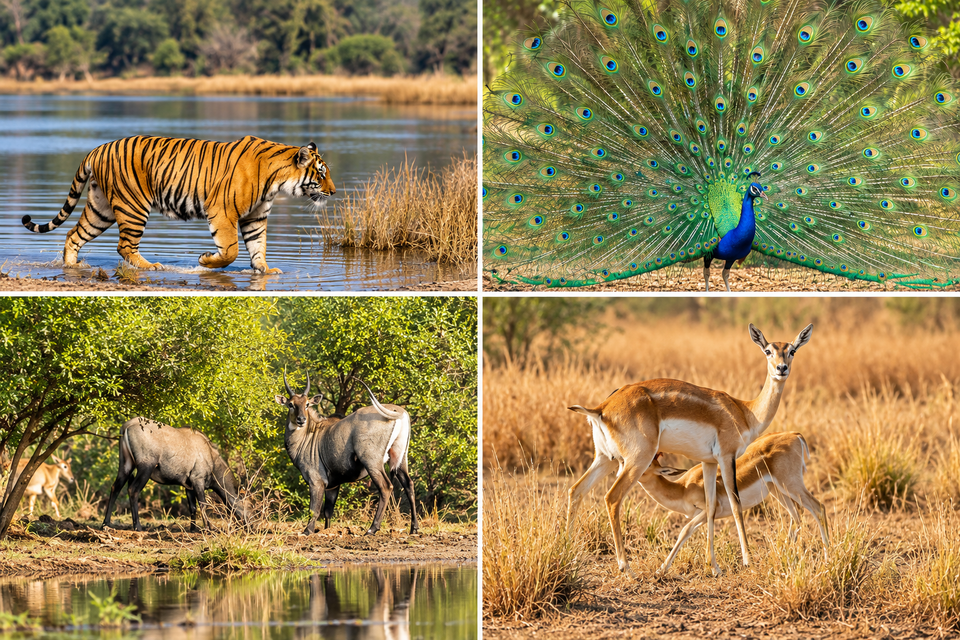
Nilgai, India's largest antelope, and golden jackals are both considerably more visible and more frequently reported than leopards specifically, since both species are more active during daylight hours and more tolerant of proximity to human activity than a genuinely secretive, primarily nocturnal predator like a leopard. Leopard presence in the Aravallis is real and well documented, but actual sightings remain comparatively rare for most residents, with the species' presence far more often confirmed through tracks and other indirect signs than direct encounters.
Why this corridor matters, and why it is under real pressure
Researchers studying this landscape have specifically flagged human-leopard conflict as a genuine, ongoing management concern in the region, and have called for stronger protection of the wildlife corridor connecting the forests of Delhi with those of Haryana, since continued urban development directly threatens the connected habitat this wildlife population depends on. This is not simply an abstract conservation concern, it connects directly to how frequently and how closely urban residents and this wildlife population end up interacting as the city continues expanding toward the ridge.
What this actually means for your own dog or cat
If you live in or regularly walk near a society bordering the Aravalli greenbelt, this wildlife presence is genuinely worth factoring into how you manage your pet's outdoor time, particularly during early morning and evening hours when several of these species, including jackals, are most active. A few practical precautions make real sense here:
- Keep dogs leashed during walks in or near green belt areas bordering open Aravalli land, rather than allowing off leash exploration
- Avoid walking pets alone in less populated stretches near the ridge during dawn, dusk, or after dark, when wildlife activity is highest
- Keep cats indoors, or provide supervised, enclosed outdoor access only, if you live in a society directly bordering undeveloped green space
- Secure household waste and outdoor food sources, since accessible garbage draws jackals and other wildlife closer to residential areas than they would otherwise come
- If you encounter wildlife directly during a walk, stay calm, keep your pet close and controlled, and back away slowly rather than approaching or allowing your pet to investigate
What to do if you spot injured or distressed wildlife
If you come across an animal that appears genuinely injured, sick, or in distress, the right response is contacting your local wildlife authorities or an established wildlife rescue organisation rather than attempting to handle or move the animal yourself, since wild animals, even visibly weakened ones, can pose a genuine risk if approached directly, and proper handling by trained personnel gives the animal the best actual chance of recovery.
A genuine local privilege worth respecting
It is worth framing this positively too. Living close enough to genuinely wild, diverse mammal populations that most major world cities lost decades ago is a real, distinctive feature of life in this part of Gurugram, not simply a risk to manage. Respecting the wildlife corridor, keeping pets appropriately controlled near it, and supporting continued protection of this connected habitat benefits both the wildlife itself and the long term character of the region.
The TruVet takeaway
The Aravalli hills bordering Gurugram host a genuinely rich, still actively documented wildlife population, including species most residents would never expect to find this close to a major city. For pet owners specifically, this means genuine, practical awareness matters, particularly around dawn, dusk, and any green space bordering undeveloped Aravalli land, more than it means anything to fear outright. A little informed caution keeps both your pet and this genuinely remarkable urban wildlife population safer.
TruVet Pet Care Clinic is at Shop No 4-6, opposite Bestech Park View Altura, Sector 79, Naurangpur, Gurugram, Haryana 122051. Dr. Brajmadhuri personally examines every patient, and we are open all seven days from 10am to 8pm for OPD consultation, vaccination, deworming, surgery, and health checkups for dogs and cats. WhatsApp us at +91 98710 10355 if a wildlife encounter has left your pet injured or unusually distressed.
Frequently asked questions.
Are leopards actually a genuine risk to pets in Gurugram societies?
Leopard presence in the Aravallis is real, and documented conflict has occurred in the broader region, though actual encounters remain uncommon for most residents. Basic precautions, particularly avoiding unleashed pets near green belt edges after dark, meaningfully reduce whatever risk exists.
Why do I see nilgai and jackals so much more often than leopards?
Nilgai and jackals are both more active during daylight and considerably more tolerant of human proximity than leopards, which are genuinely secretive, primarily nocturnal animals whose presence is usually confirmed through tracks rather than direct sightings.
What should I actually do if I see a jackal during a dog walk?
Stay calm, keep your dog leashed and close to you, and back away slowly rather than approaching or allowing your dog to investigate, since jackals generally avoid direct human contact when given the space to do so.
Is it safe to let my cat roam outdoors if I live near the Aravalli green belt?
This carries genuine additional risk beyond the usual concerns of outdoor cats, given the documented wildlife activity in the area, and keeping cats indoors or providing supervised, enclosed outdoor access is a more cautious, genuinely safer approach in these specific areas.
Who do I actually contact if I find injured wildlife near my society?
Your local forest department or an established wildlife rescue organisation is the appropriate contact, rather than attempting to handle the animal directly yourself.
Is the wildlife population in the Aravallis actually growing or shrinking?
Researchers studying the region have specifically flagged ongoing habitat pressure from urban development as a genuine concern, which is part of why continued protection of the wildlife corridor connecting these areas matters for the population's long term future.
Questions for Dr. Brajmadhuri?
Open all 7 days, 10am to 8pm. Walk-in OPD welcome.