 TruVet Pet Care Clinic
Your cat can sleep for sixteen hours without a hint of guilt. Somewhere else in the animal kingdom, an elephant is surviving on two. Here's the genuinely fascinating science behind the animals that barely sleep at all, and the ones that sleep with only half their brain at a time.
The Animal Kingdom's Worst Sleepers: Elephants, Giraffes, and Half a Brain Naps
By Dr. Brajmadhuri, TruVet Pet Care Clinic, Sector 79, Gurgaon
Your cat can sleep for sixteen hours without a hint of guilt. Somewhere else in the animal kingdom, an elephant is surviving on two. Here is the genuinely fascinating science behind the animals that barely sleep at all, and the ones that sleep with only half their brain at a time.
Anyone who shares a home with a cat has watched, with a mix of envy and mild disbelief, an animal that can sleep for the better part of a day without a shred of guilt about it. Cats aside, the animal kingdom has some genuinely extreme outliers when it comes to sleep, and the science behind why is considerably stranger and more interesting than simply bigger animals needing less rest.
The elephant, the shortest sleeper among mammals
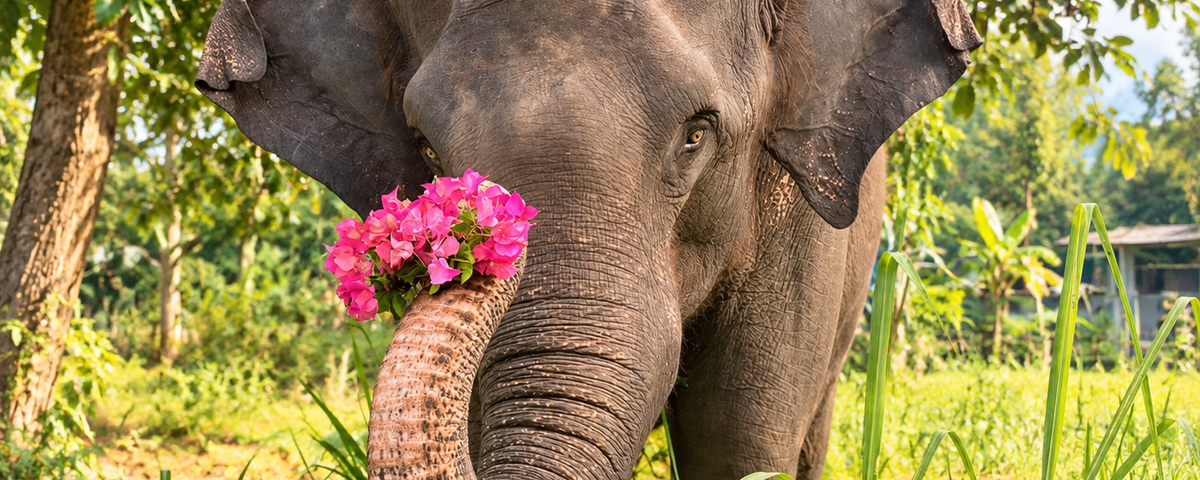
Research tracking wild African elephants found something genuinely remarkable. Wild elephants sleep for roughly two hours a day on average, the shortest confirmed sleep duration of any mammal studied. A tracking study following two wild elephant matriarchs across more than a month recorded stretches where the animals went without any sleep at all for up to forty six hours, during which they continued travelling substantial distances. Researchers studying this have suggested it may connect to the genuine demands of an elephant's life, needing to consume enormous quantities of food daily, along with the ever present pressure of predation risk and social responsibilities within a herd, all of which may push sleep down the list of biological priorities compared to smaller, less socially and nutritionally demanding animals.
The giraffe, sleeping in fragments rather than one long stretch
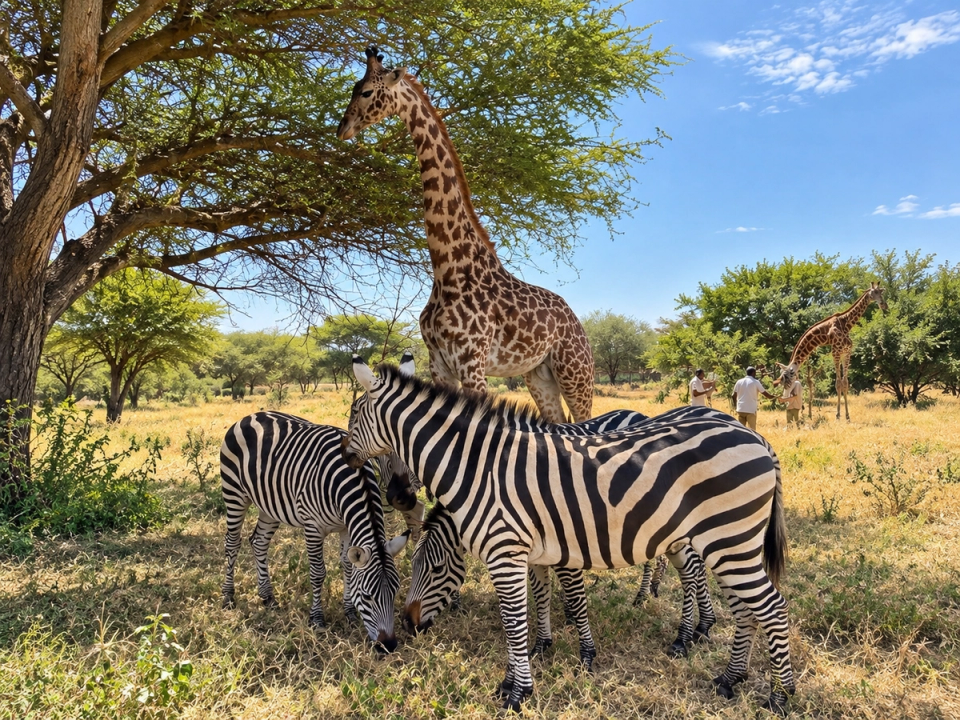
Giraffes take a genuinely different approach to getting by on very little sleep. Rather than a single, sustained sleep period the way most mammals experience, giraffes accumulate their total daily sleep, estimated at somewhere around four to five hours, through many brief naps scattered across the day and night, some lasting only a few minutes at a time. This fragmented pattern is thought to connect closely to a giraffe's vulnerability to predation, since a long, deep, continuous sleep would leave such a large, conspicuous animal genuinely exposed for an extended period in a way frequent brief naps do not.
Dolphins and the astonishing trick of sleeping with half a brain
This is genuinely one of the more remarkable adaptations in the entire animal kingdom. Dolphins, along with several other marine mammals and a number of bird species, are capable of what researchers call unihemispheric sleep, meaning one half of the brain enters a genuine sleep state while the other half remains awake and alert. This allows a dolphin to rest while still surfacing regularly to breathe and while maintaining enough awareness to watch for predators, solving a problem that would otherwise be impossible for an air breathing animal that cannot afford to lose full consciousness underwater the way a land mammal safely can on solid ground.
Why sleep needs vary so dramatically across species at all
The broad scientific explanation connects sleep duration to a combination of factors, including body size, metabolic rate, predation risk, and the specific ecological demands a given species faces. Animals with a higher predation risk, or with genuinely demanding daily energy and food requirements, often show shorter or more fragmented sleep patterns than animals facing fewer of these pressures. This is part of why the extreme short sleepers in the animal kingdom tend to be large herbivores facing real predation risk and enormous daily food requirements, rather than small, protected animals with abundant, easily obtained food.
How your own pets compare
Bringing this back to the animals actually living in your home, dogs typically sleep somewhere between twelve and fourteen hours a day, though this varies with age and activity level, and cats commonly sleep even more, often somewhere between twelve and sixteen hours daily. This puts even an average house cat considerably closer to the sleep heavy end of the animal kingdom than to an elephant's astonishing two hours, a fairly stark contrast that says something real about how differently the pressures of survival shape sleep needs across different species.
Why this science is genuinely worth knowing, beyond simple trivia
Understanding normal sleep patterns for different species has real practical value too. A pet showing a significant, sustained change in his usual sleep pattern, sleeping considerably more or less than what is typical for him specifically, is one of the more reliable early signs that something may be worth mentioning at a checkup, since sleep changes can reflect pain, illness, or simply the normal course of ageing depending on the specific pattern and how it developed.
The TruVet takeaway
The sheer range of sleep needs across the animal kingdom, from an elephant surviving on roughly two hours a day to a dolphin resting with only half its brain at a time, reflects real, actively studied biology connecting body size, predation risk, and the specific demands of a given species' daily life. Your own pet's sleep pattern, whatever it looks like, is worth knowing well enough to notice when it genuinely changes, since that kind of change is often one of the more useful, easy to observe signals that something is worth a proper look.
TruVet Pet Care Clinic is at Shop No 4-6, opposite Bestech Park View Altura, Sector 79, Naurangpur, Gurugram, Haryana 122051. Dr. Brajmadhuri personally examines every patient, and we are open all seven days from 10am to 8pm for OPD consultation, vaccination, deworming, surgery, and health checkups for dogs and cats. WhatsApp us at +91 98710 10355 if your pet's sleep pattern has changed in a way that concerns you.
Frequently asked questions.
Is it true that elephants really only sleep two hours a day?
Yes, this has been confirmed through tracking research on wild elephants specifically, making them the shortest confirmed sleepers among mammals studied so far, a genuinely striking contrast to most other large mammals.
How can a dolphin possibly sleep and stay alert to breathe at the same time?
Dolphins are capable of unihemispheric sleep, meaning one half of the brain rests while the other stays awake, allowing them to continue surfacing to breathe and remain alert to their surroundings even while genuinely resting.
Why does my cat sleep so much more than most other animals?
Cats evolved as efficient ambush predators with relatively brief bursts of intense activity followed by long recovery periods, and abundant food and low predation risk as a domestic pet further supports this naturally sleep heavy pattern.
Should I be worried if my dog suddenly starts sleeping much more than usual?
A significant, sustained increase or decrease in your dog's usual sleep pattern is genuinely worth mentioning at a checkup, since it can sometimes reflect an underlying health issue worth investigating rather than simply normal variation.
Do giraffes ever get a genuinely deep, long sleep, or is it always brief naps?
Giraffes do experience some longer sleep bouts, particularly when lying down in a safer setting, but their overall pattern leans heavily toward numerous brief naps rather than one extended sleep period the way many other mammals experience.
Is unihemispheric sleep found in any land animals, or only marine ones?
It has also been documented in some bird species, allowing a bird to rest one half of its brain while remaining alert, which is thought to be particularly useful during activities like long migratory flights.
Questions for Dr. Brajmadhuri?
Open all 7 days, 10am to 8pm. Walk-in OPD welcome.